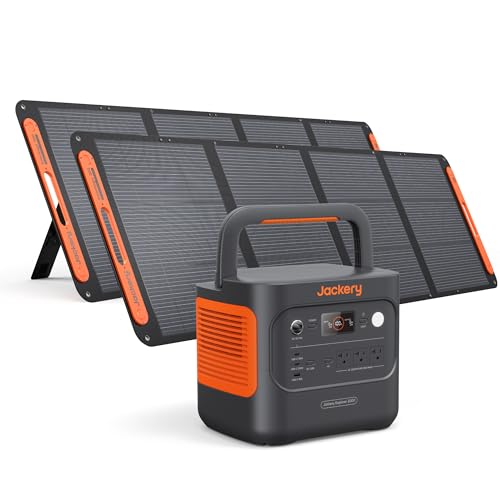
The 2,042Wh Explorer 2000 v2 balances useful backup capacity with a roughly 39.5-pound body, while the linked bundle adds two 200W panels. Its 2,200W continuous output and sub-20ms UPS mode suit selective backup, not an entire high-load house.
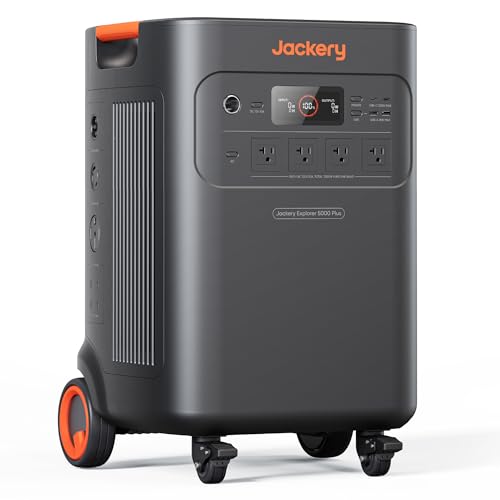
The Explorer 5000 Plus moves into home-backup territory with 5,040Wh, 7,200W output, 14,400W surge, and 120/240V support. Those numbers are compelling only after transfer hardware, charging strategy, load priorities, and local electrical work are planned.
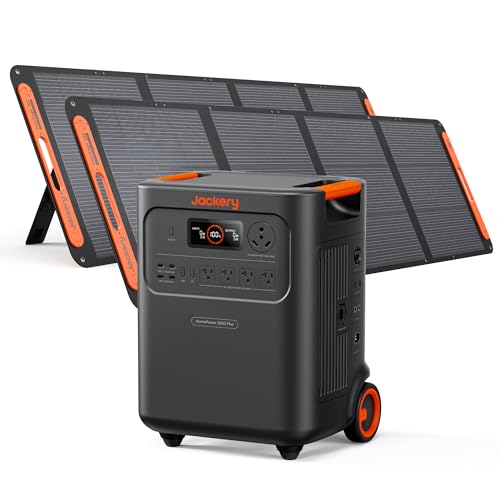
The HomePower 3600 Plus combines 3,584Wh, 3,600W output, 7,200W surge, and an LFP battery with two 200W panels in the linked bundle. One unit is a strong selective-backup tool; 240V requires a two-unit system and should be budgeted accordingly.
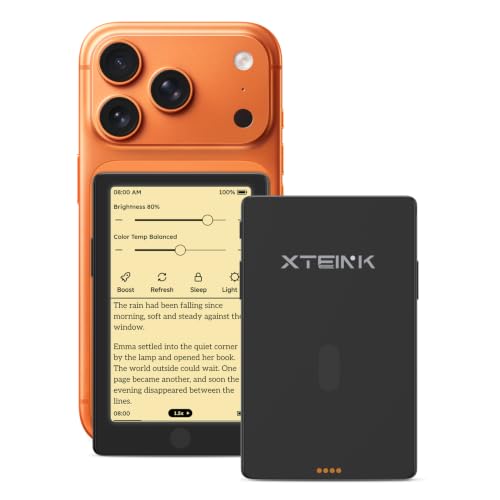
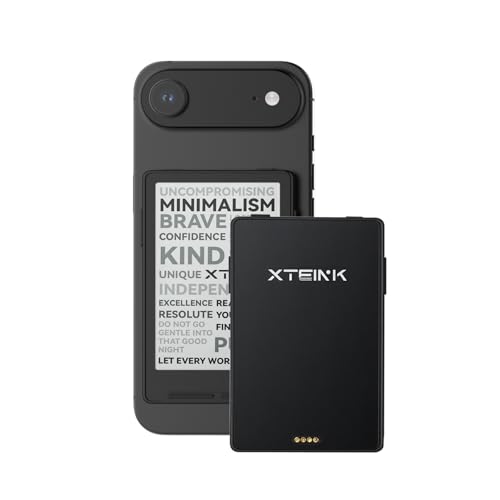
The X4 Pro improves the pocket-reader idea with a 4.3-inch touch display and front light, but it remains a file-based EPUB/TXT device rather than a Kindle replacement. Buy it for deliberate sideloaded reading, not a mature bookstore ecosystem.
At 58g with a 3.7-inch 259ppi display, the X3 is appealing as a daylight pocket reader. The lack of front light and touch, EPUB/TXT-only support, and sideloading workflow are not footnotes—they define who will enjoy it.
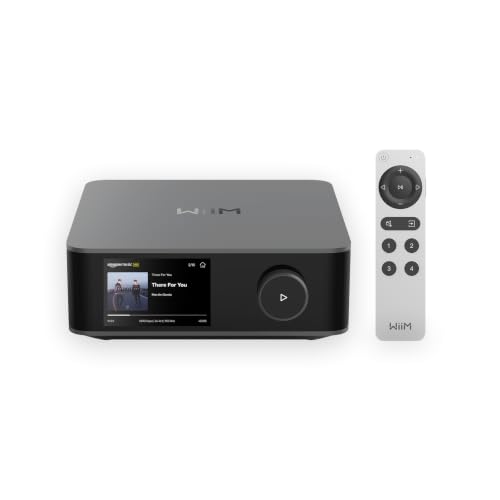
The Amp Ultra is the strongest WiiM one-box amplifier here: 100W per channel into 8 ohms, HDMI ARC, RoomFit, and a 3.5-inch touchscreen. It makes sense when the extra output and display solve real placement or speaker needs, not just because it is the newest model.
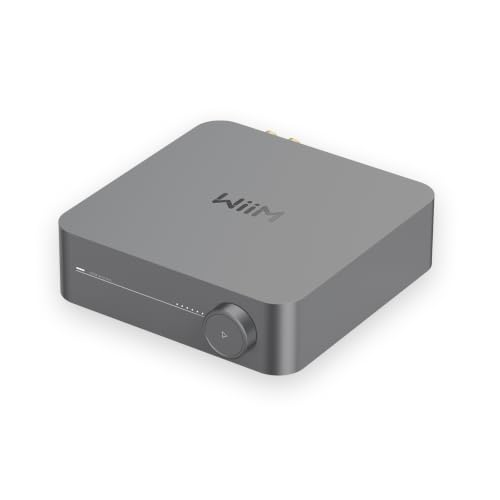
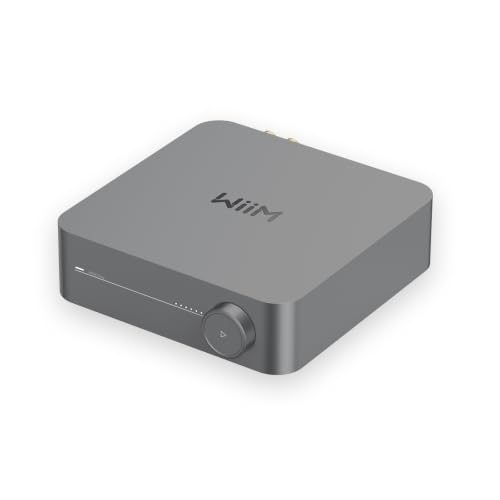
The Amp Pro keeps the useful 60W-per-channel into 8-ohm format while adding Wi-Fi 6, Bluetooth 5.3, PFFB, and updated conversion. Its key buying question is simple: it does not support AirPlay 2, so Apple households should map their actual playback path first.
The original WiiM Amp remains attractive because it combines 60W per channel into 8 ohms, HDMI ARC, a subwoofer output, and AirPlay 2. Choose it over the Pro when AirPlay matters; choose the Pro or Ultra when their specific hardware gains solve a known need.
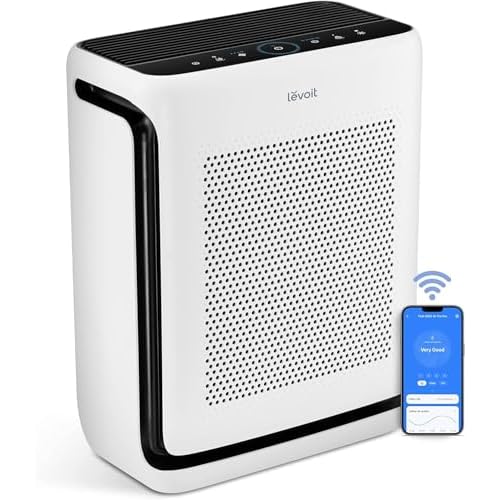
The Vital 200S-P publishes 250 CFM and a 388-square-foot room size at 4.8 air changes per hour. Its U-shaped inlet, app, and auto mode are useful, but placement and replacement-filter cost matter more than the larger one-air-change marketing number.
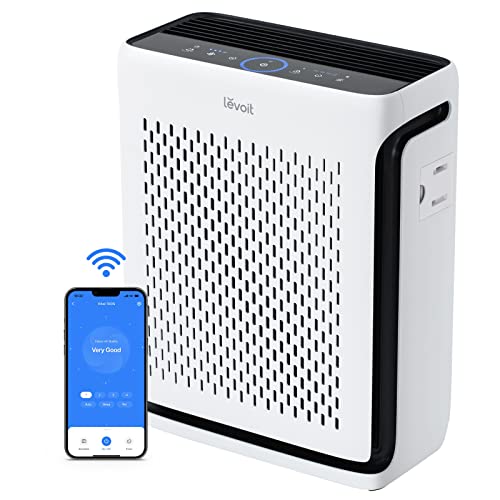
The Vital 100S-P is the smaller smart purifier in Levoit's pet-oriented Vital line. It is a better fit than the 200S-P when the room is genuinely smaller; the decision should be based on airflow, fan speed, and filter cost rather than the biggest advertised coverage figure.
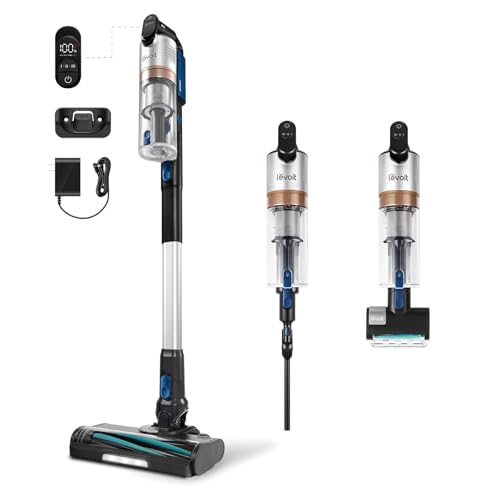
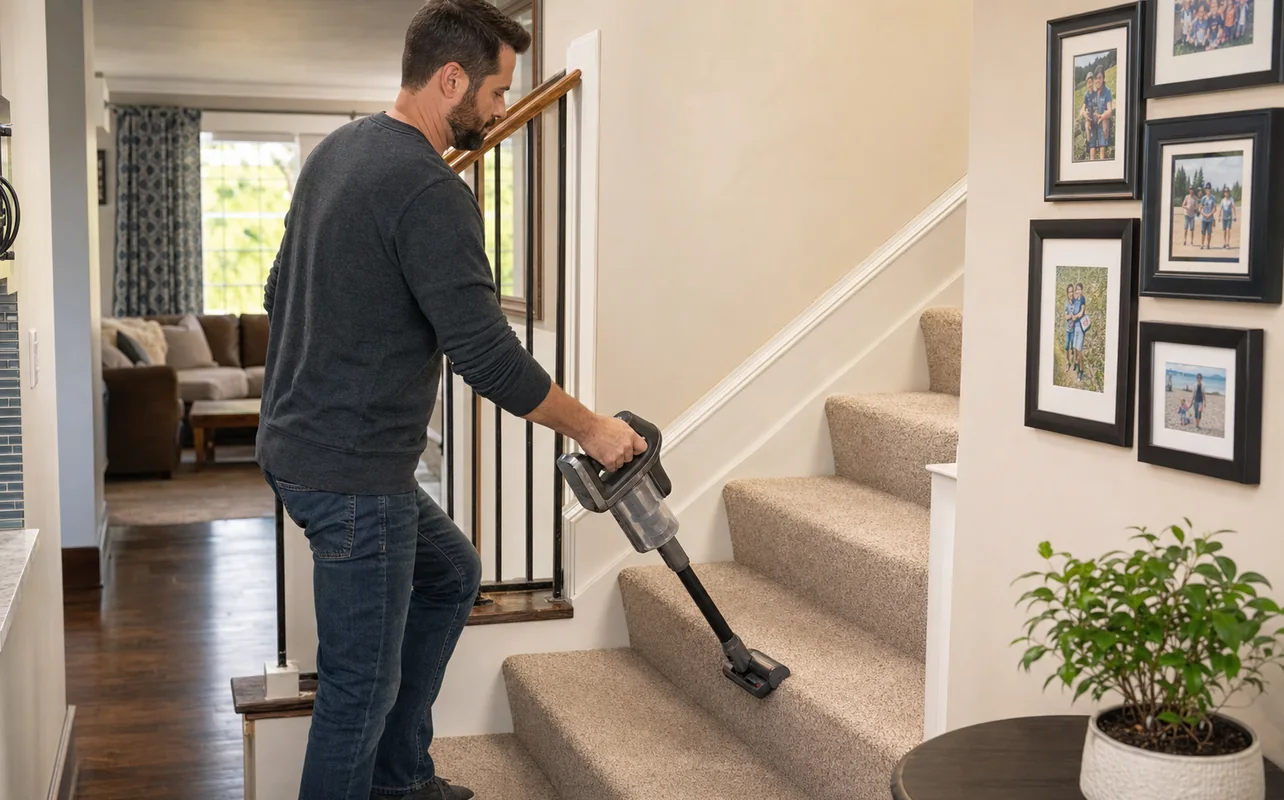
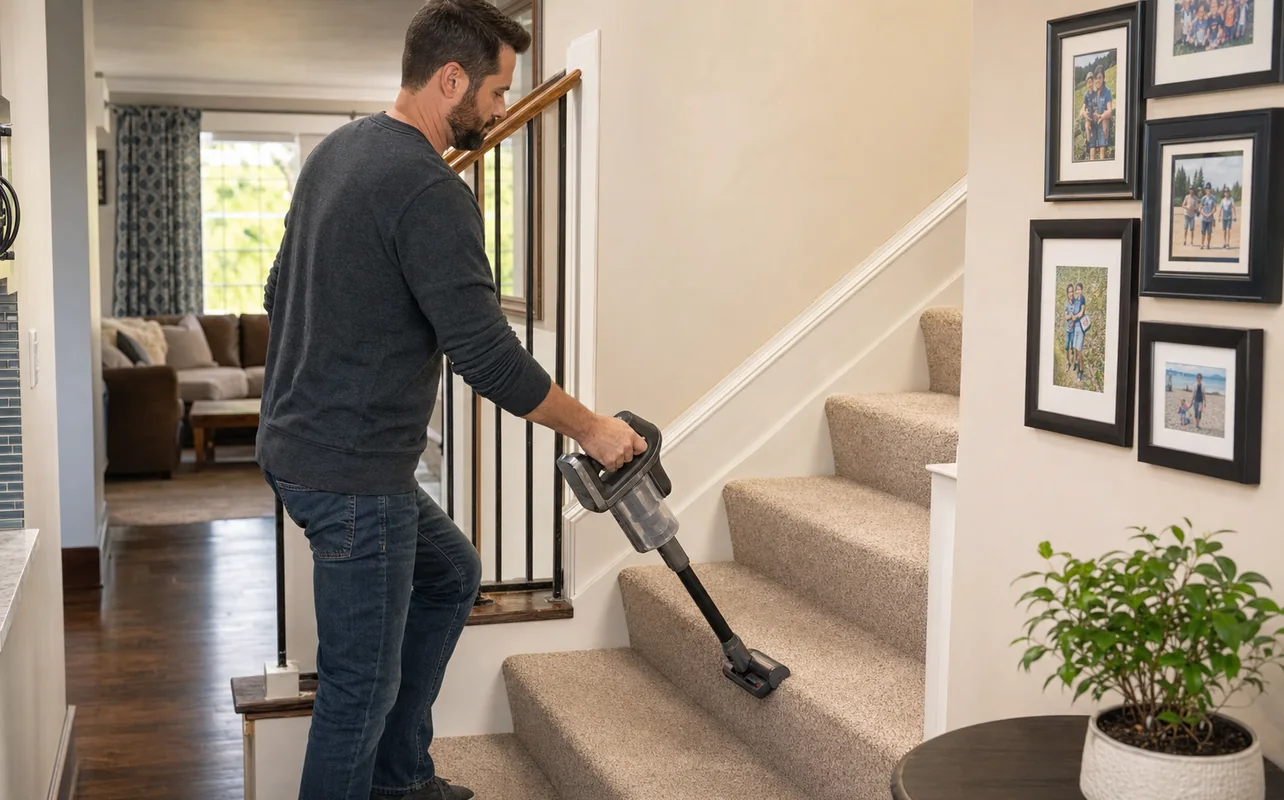
The LVAC-300 adds a published 60-minute maximum with an attachment in Eco mode, TripleStrike anti-tangle cleaning, a removable battery, self-standing storage, and a mini motorized brush. Runtime claims should be translated into the power mode and tool actually used.
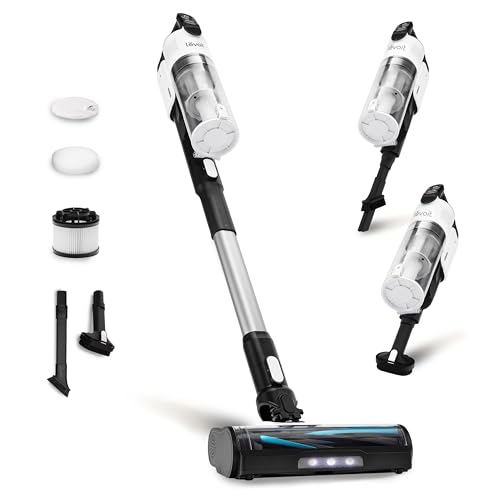
The LVAC-200 is a straightforward cordless vacuum with anti-tangle design and five-stage filtration. Levoit's up-to-50-minute figure applies with an attachment in Eco mode, so buyers should expect less with the powered floor head or stronger suction.
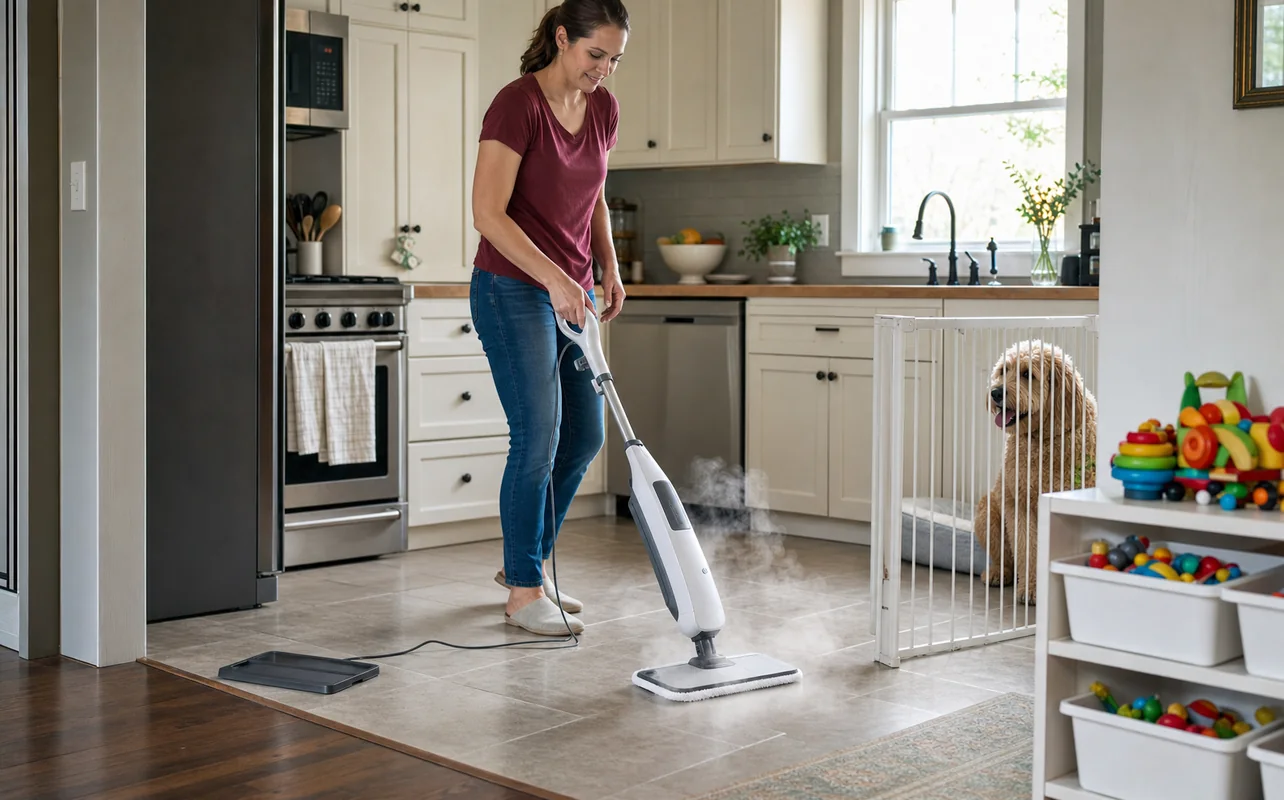
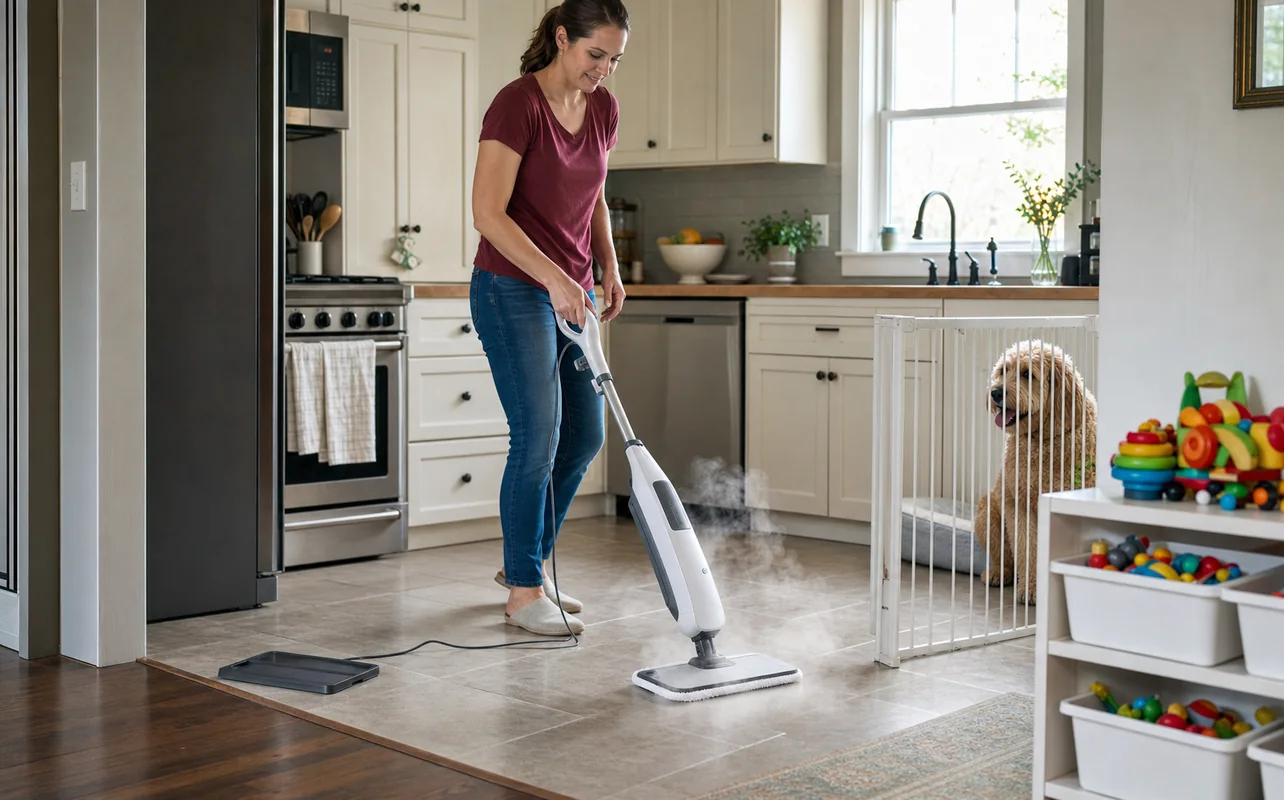
The S7 Stretch Ultra combines a 180-degree lay-flat body, 50-minute published runtime, dual-edge cleaning, and 185°F FlashDry. It is a strong hard-floor tool when the household will empty both tanks and run the cleaning cycle after every use.
The Stretch S6 earns its name with 180-degree lay-flat reach, dual-edge cleaning, and 158°F FlashDry. The roughly 40-minute published runtime is enough for many defined zones, but tank cleaning remains part of every session.
The i5 Stretch brings 180-degree lay-flat reach, dual-edge cleaning, anti-tangle design, and a published 20kPa figure to a lower tier. Its up-to-30-minute runtime makes it a zone cleaner rather than an all-day machine.
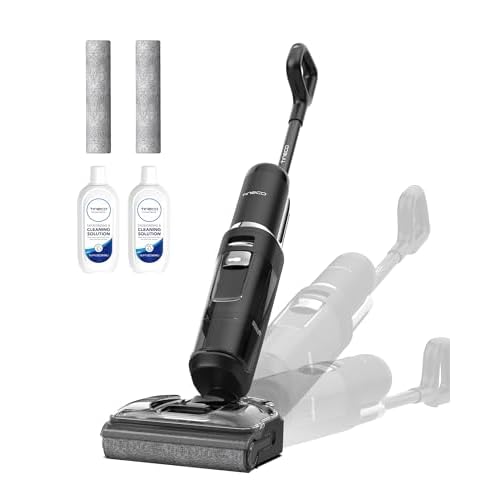
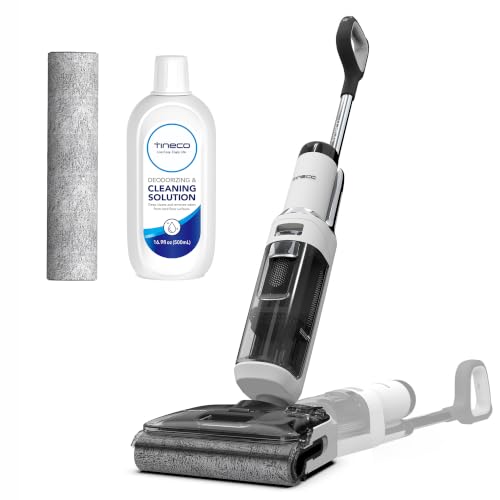
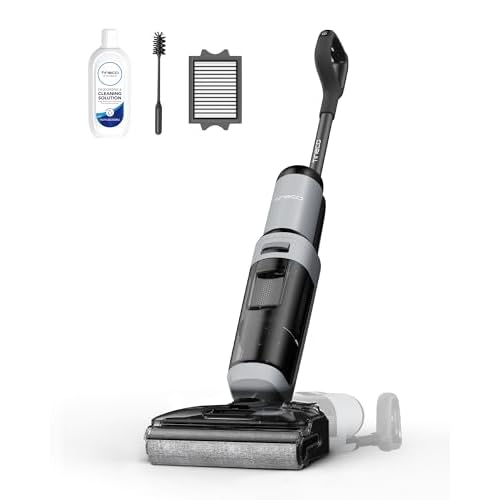
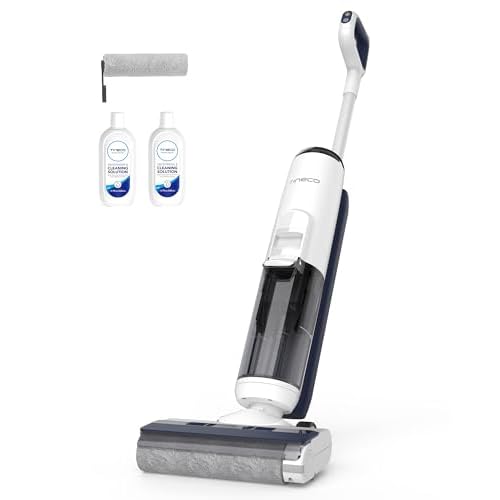
The iFLOOR 5 Breeze Complete is the simpler Tineco choice: separate clean and dirty water, cordless wet-dry pickup, and one-touch self-cleaning. It works when the floor is sealed and the owner treats the dirty tank as an after-every-use job.
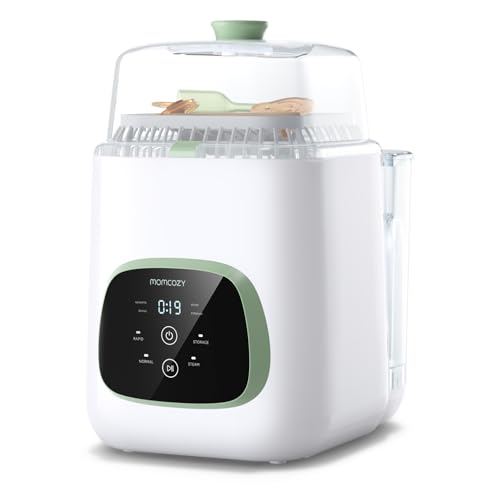
The D8's real advantage is capacity: up to eight bottles or a full pump kit, 64 spray nozzles, 19- or 29-minute wash cycles, steam, drying, and storage. Its 13.78-by-10.63-inch footprint, 15.35-inch height, drain hose, detergent, and descaling requirements must fit the kitchen first.
The KleanPal Pro combines four-bottle capacity, nine modes, direct hose drainage, and included detergent tablets. The convenience is real when the drain route, counter footprint, compatible parts, and recurring detergent and descaling work are all acceptable.
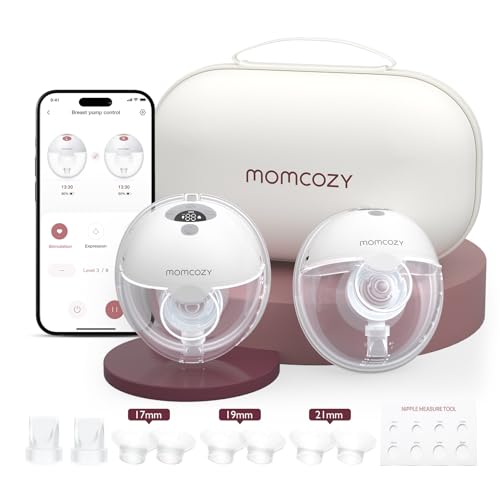
The M5 Smart adds optional app control to a 230g wearable pump with three modes, nine levels, 160ml collection, and a published under-48dB claim. Comfort and output still start with correct flange sizing and placement; an app cannot solve a poor fit.
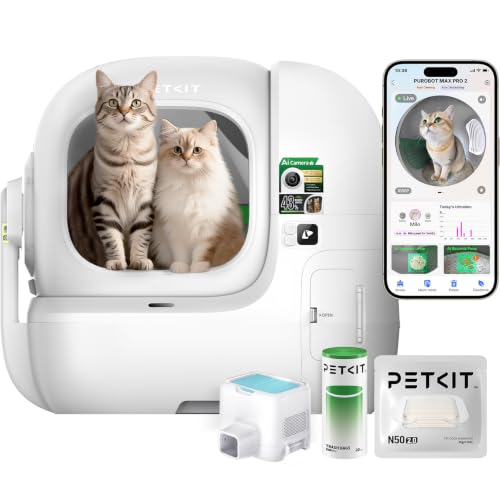
The Purobot Max Pro 2 pairs a 76L drum and 8L waste bin with a 1080p camera, face and weight recognition, dual-band Wi-Fi, and 12 safety sensors. It can reduce scooping and add useful observations, but it cannot replace litter-box cleaning, veterinary judgment, or careful acclimation.
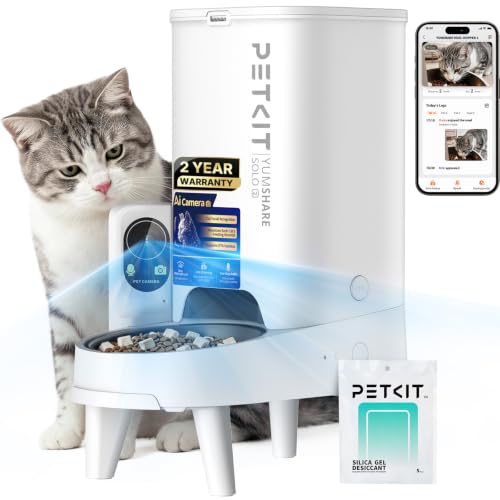
The 3L YumShare Solo 2 combines scheduled feeding, camera monitoring, individual-pet recognition, and dual-band Wi-Fi. Backup power can keep feeding for a published period, but the camera is disabled in battery mode, so feeding resilience and video availability should be treated separately.
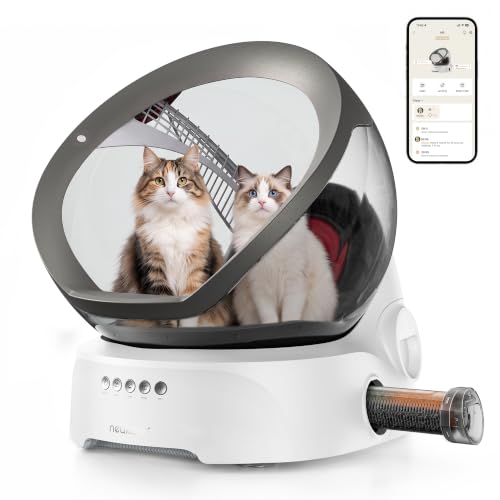
The M9's 96L open cabin, 26cm entrance, 6L waste bin, and tilt-safe rotation target cats that resist tighter drums. The linked ASIN includes a two-year protection plan, so buyers should confirm the plan provider, coverage, claim process, and exact included hardware at checkout.
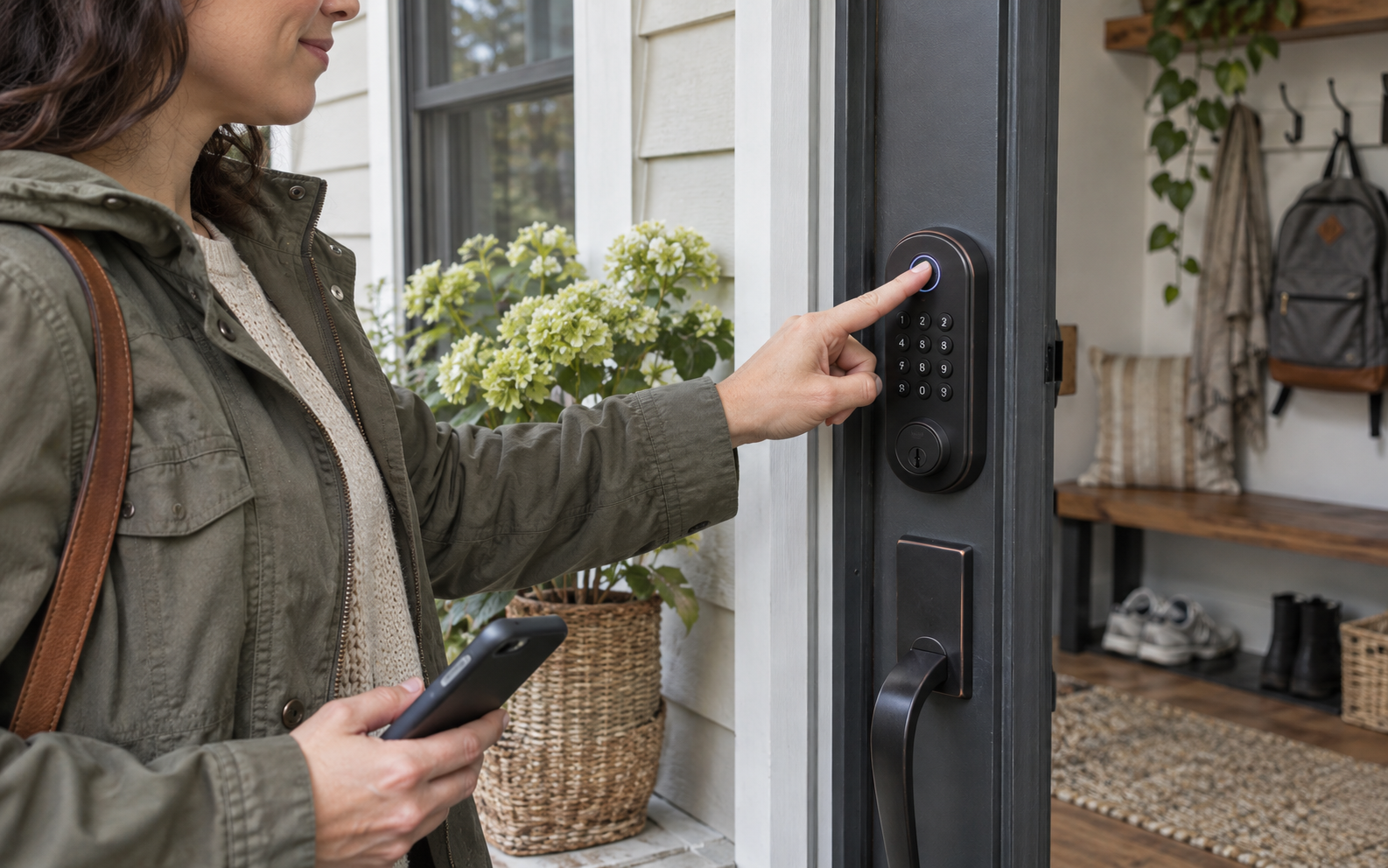
The Aqara U400 is the Aqara lock to buy for true hands-free Apple entry, provided the household already has a compatible UWB iPhone or Apple Watch and a Thread-enabled Apple home hub. Its fingerprint, keypad, Home Key, NFC, app, and physical-key fallbacks make it less dependent on one clever feature, but buyers outside that Apple hardware path should not pay mainly for UWB.
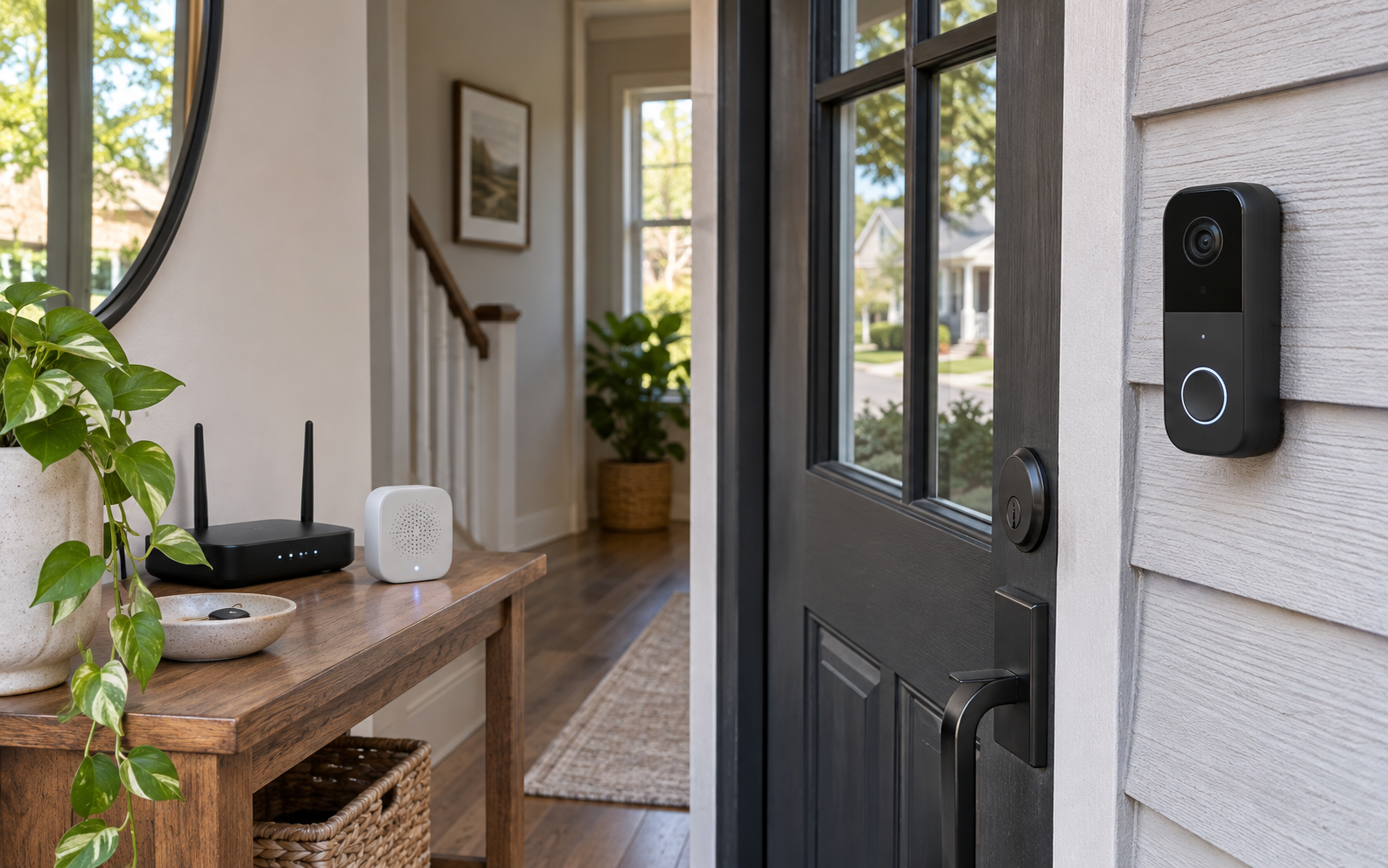
The Aqara G410 is more than a battery-capable 2K doorbell: its included indoor chime is also a Matter controller, Thread border router, and Aqara Zigbee hub. That makes it unusually efficient for a growing smart home, but buyers who only need a wired camera should compare the cheaper PoE-capable G400 before paying for hub duties they will not use.
The Aqara U100 remains the practical Aqara deadbolt for households that want fingerprint entry, Apple Home Key, guest codes, and a physical-key backup at a lower tier than U400. Its richest remote and automation features still depend on the right Aqara hub, so the lock should be budgeted as part of a system rather than assumed to be fully remote on its own.
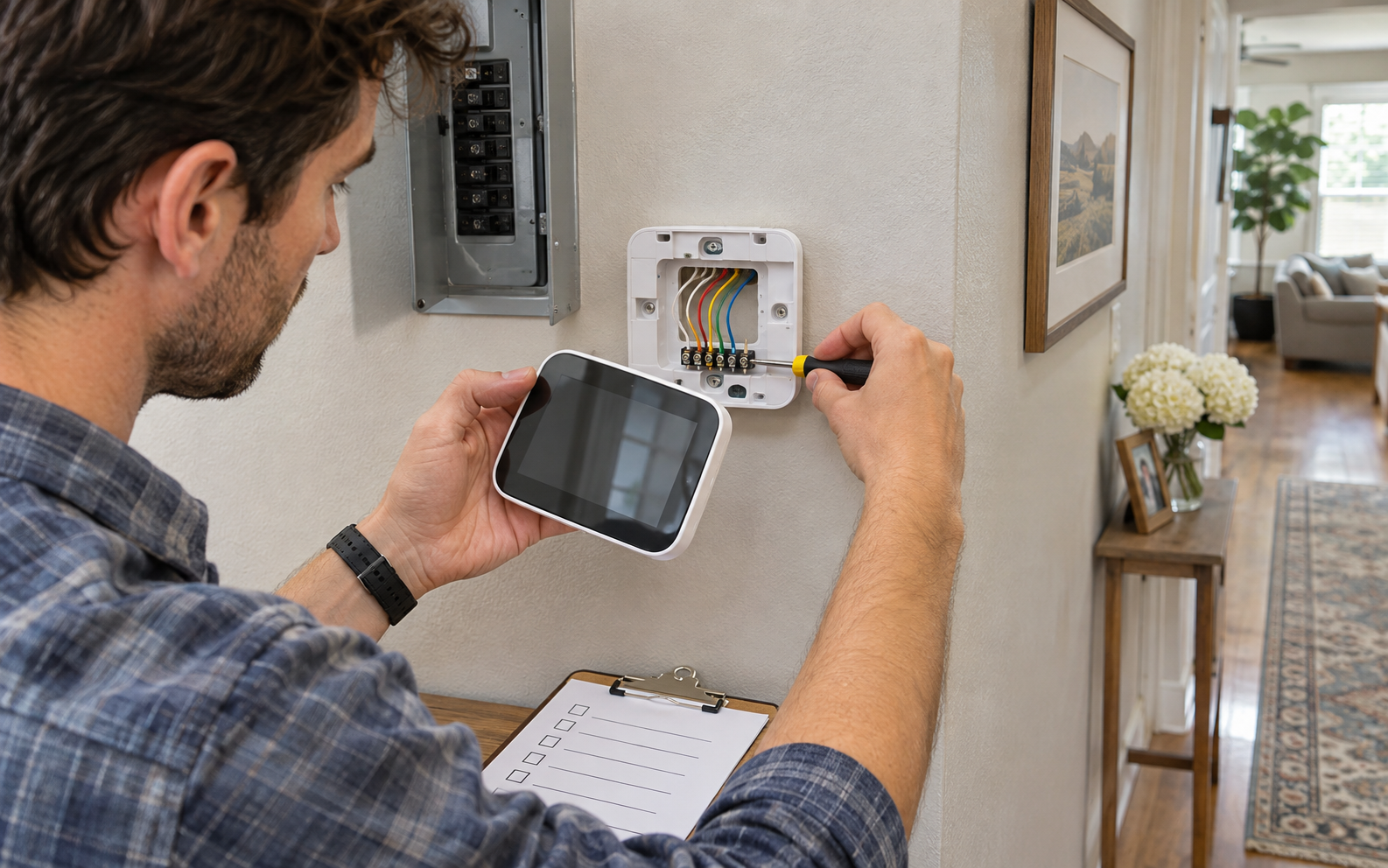
The Aqara W200 is most compelling as a thermostat, smart-home hub, presence sensor, and four-inch wall control panel in one. Its Apple Adaptive Temperature support and doorbell snapshots are useful bonuses, but HVAC compatibility, 24VAC wiring, C-wire availability, and professional-installation needs should be settled before the household pays for dashboard features.
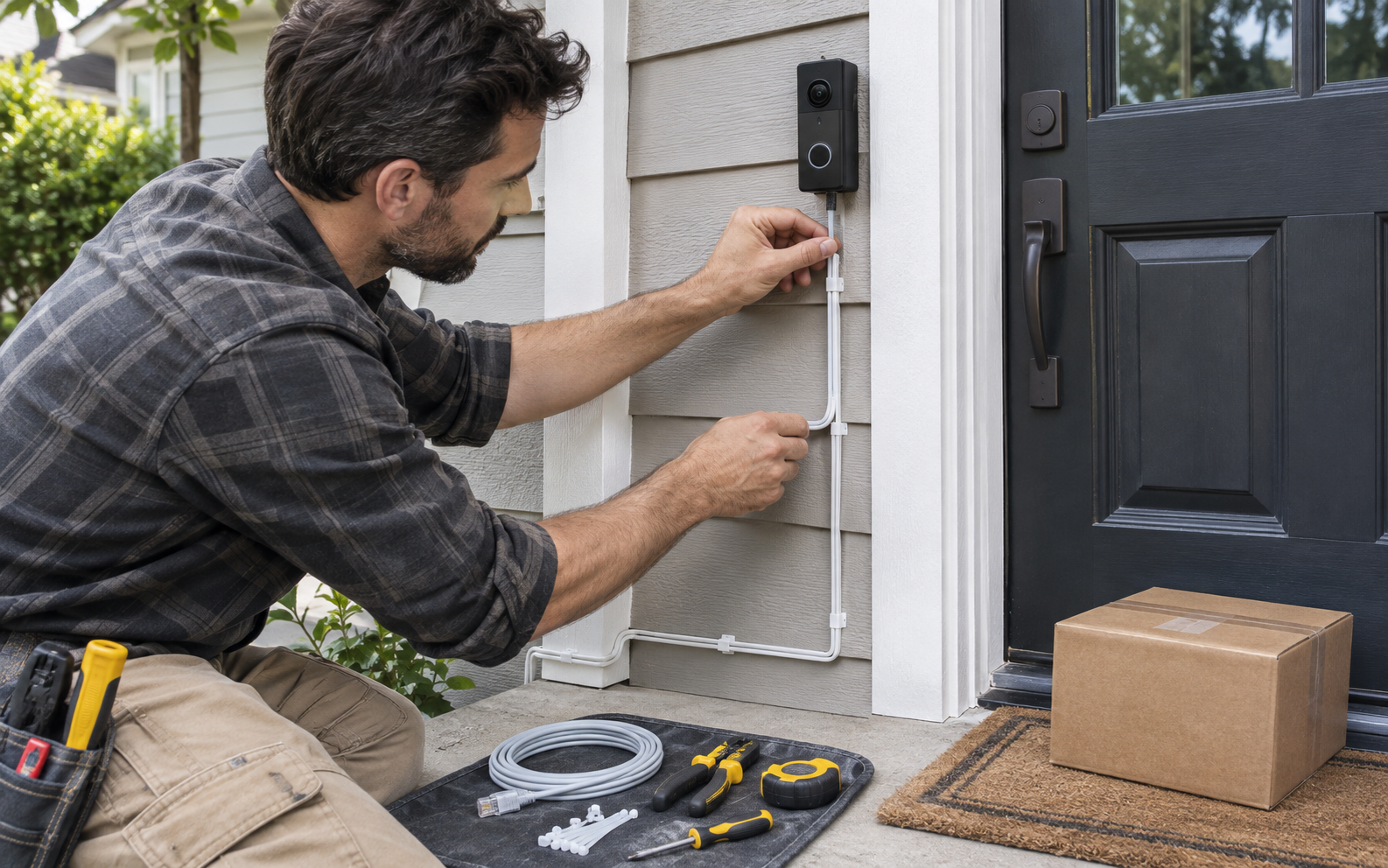
The Aqara G400 is the more purposeful Aqara doorbell for buyers who can supply permanent power: PoE can carry data and power on one cable, while hardwired Wi-Fi can reuse a suitable transformer. It gives up the G410's hub role and battery flexibility in exchange for a cleaner always-on security workflow with ONVIF, RTSP, NAS backup, and 24/7 microSD recording.
The new PetSafe GPS Dog Tracker is the clearest PetSafe recommendation for owners who want live cellular location, escape alerts, and routine activity data without replacing the dog's existing collar. It is a tracker, not a containment system, and the required subscription and local cellular coverage should decide the purchase before the hardware price does.
The Easy Walk Comfort is the PetSafe harness to consider when the classic front-clip idea makes sense but the dog needs more padding, a back attachment for ordinary outings, and a top handle for brief close control. The linked Amazon offer is specifically the black Medium; fit measurements matter more than breed labels or weight alone.
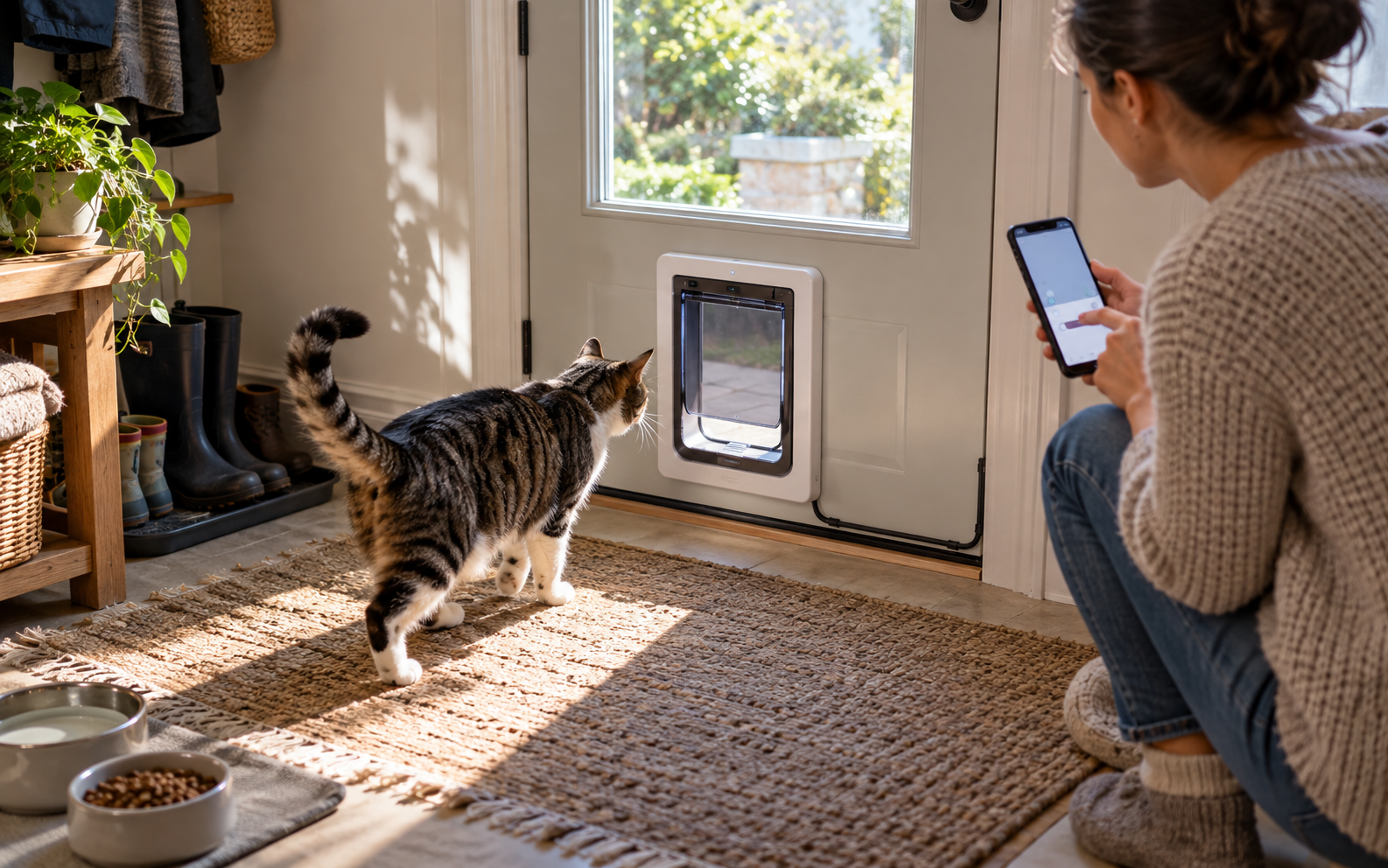
The linked medium SmartDoor Connected bundle is compelling when selective access and schedules solve a real household problem, and the included power adaptor avoids treating large disposable batteries as the default. Buy it only after measuring the pet, door construction, cutout, outlet path, and microchip or collar-key plan.
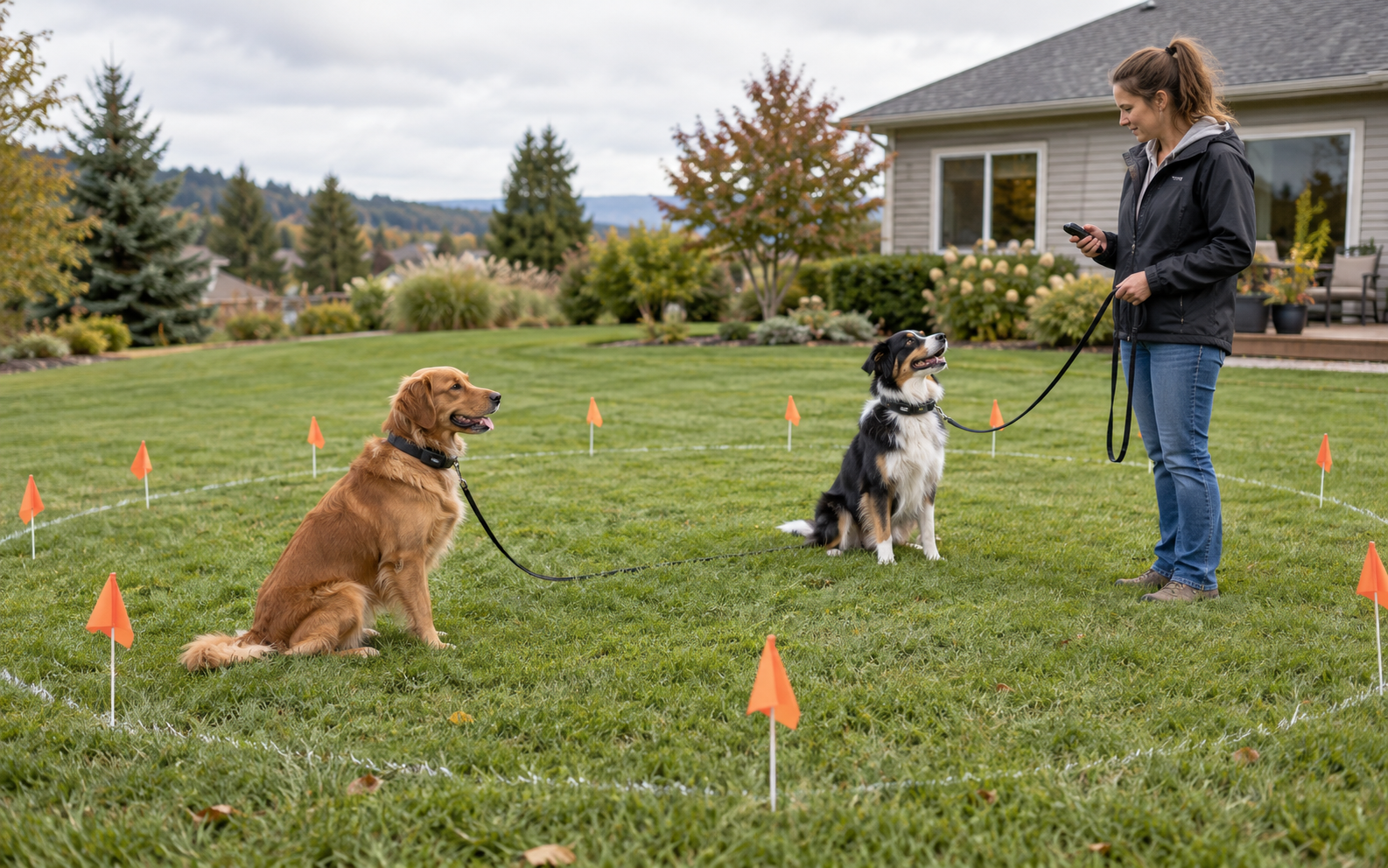
The linked Stay & Play two-dog kit makes sense when two suitable dogs need the same portable, no-dig circular boundary and the owner will complete the training. It is a poor fit for narrow side yards, irregular property lines, young puppies, or anyone expecting a transmitter to replace supervision and boundary conditioning.
The Reolink Battery Video Doorbell (2nd Gen) is the Reolink model to buy when head-to-toe framing, local microSD storage, and flexible battery-or-wired installation matter more than joining a subscription-first doorbell ecosystem.
The OMVI 3i WiFi is Reolink's most interesting single-camera recommendation for a genuinely wide property: its fixed 180-degree panorama preserves context while a separate 8MP pan-tilt lens follows detail, but it demands reliable power, strong Wi-Fi, and compatible viewing hardware.
The Duo 3 PoE is the Reolink model to choose when a fixed, seamless 180-degree overview matters more than zoom or mechanical tracking; its 16MP panorama is useful only if the mounting height, network, and storage plan can support that much detail.
The Argus PT Ultra is a sensible Reolink recommendation for difficult-to-wire outdoor areas that receive usable sun: it combines 4K capture, pan-tilt coverage, and solar charging, but its PIR-triggered battery workflow is not a substitute for continuous PoE surveillance.
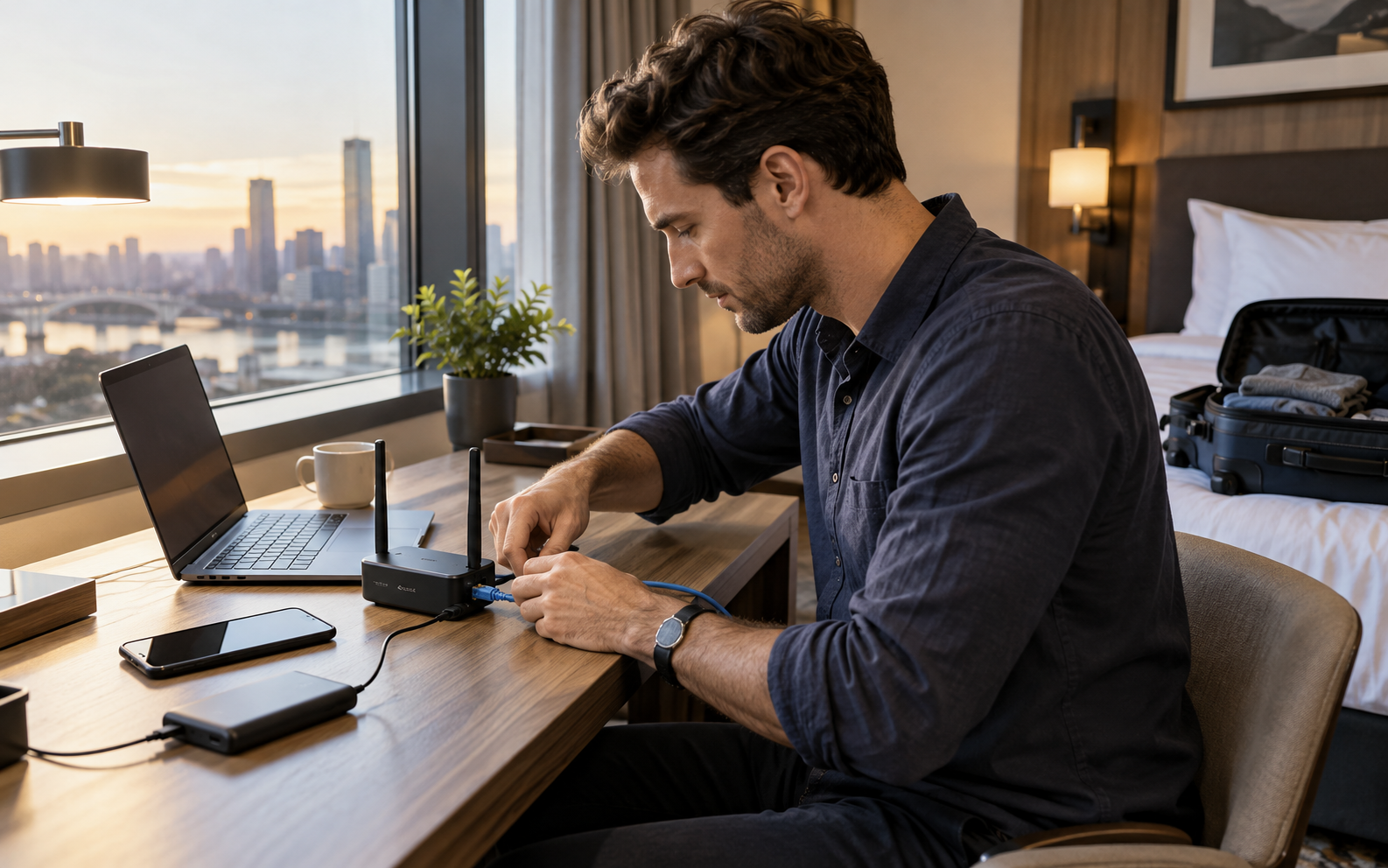
The TP-Link Roam 7 (TL-WR3602BE) is a strong specific-model recommendation for frequent travelers who will actually use its hotspot, Ethernet, USB tethering, and VPN modes; it is unnecessary for someone who only needs to connect one phone to hotel Wi-Fi.
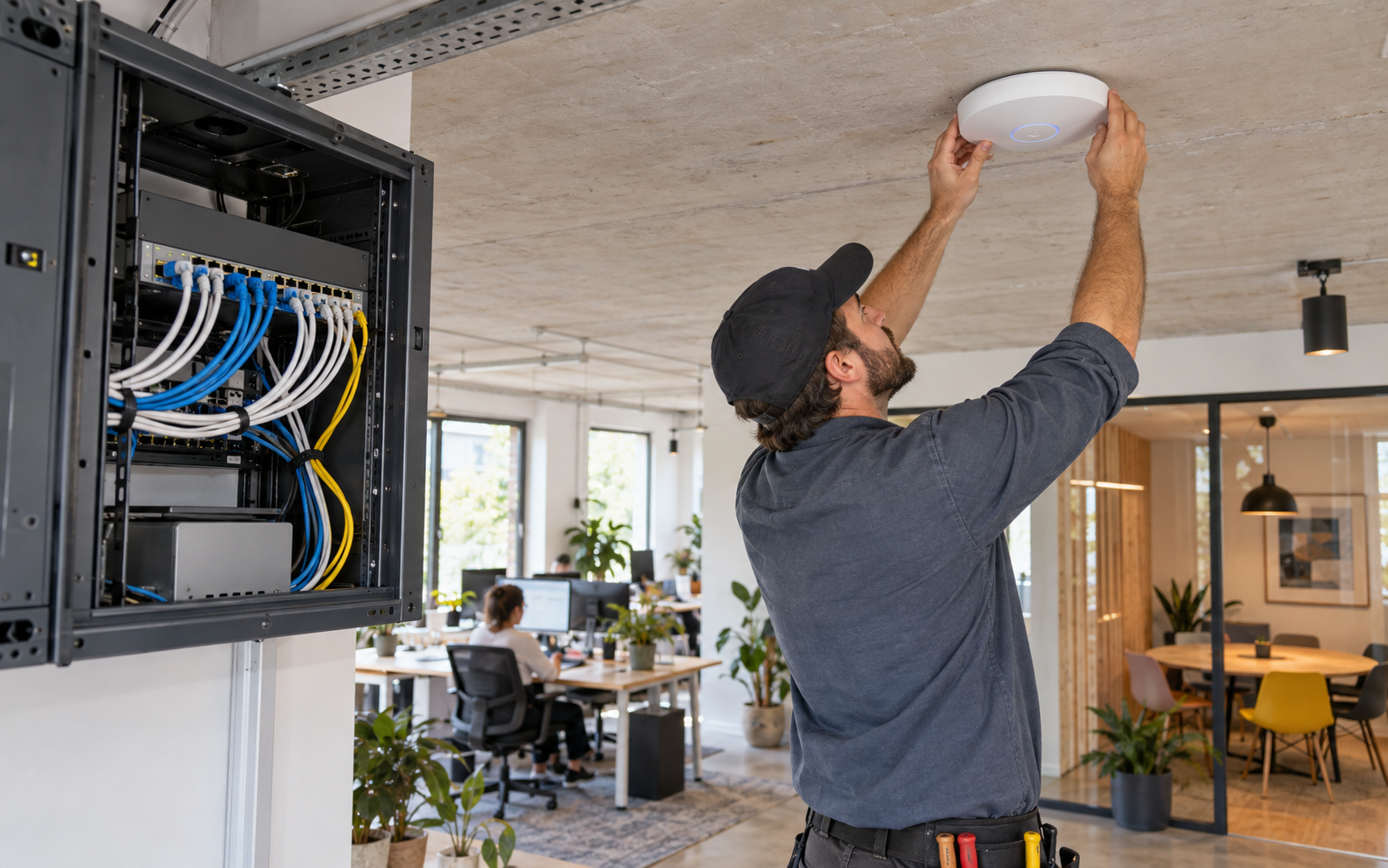
The Omada EAP720 is the TP-Link model to consider when a small office or serious home network needs a manageable dual-band Wi-Fi 7 access point with a 2.5GbE uplink, but it is not a replacement for a router and does not add a 6 GHz radio.
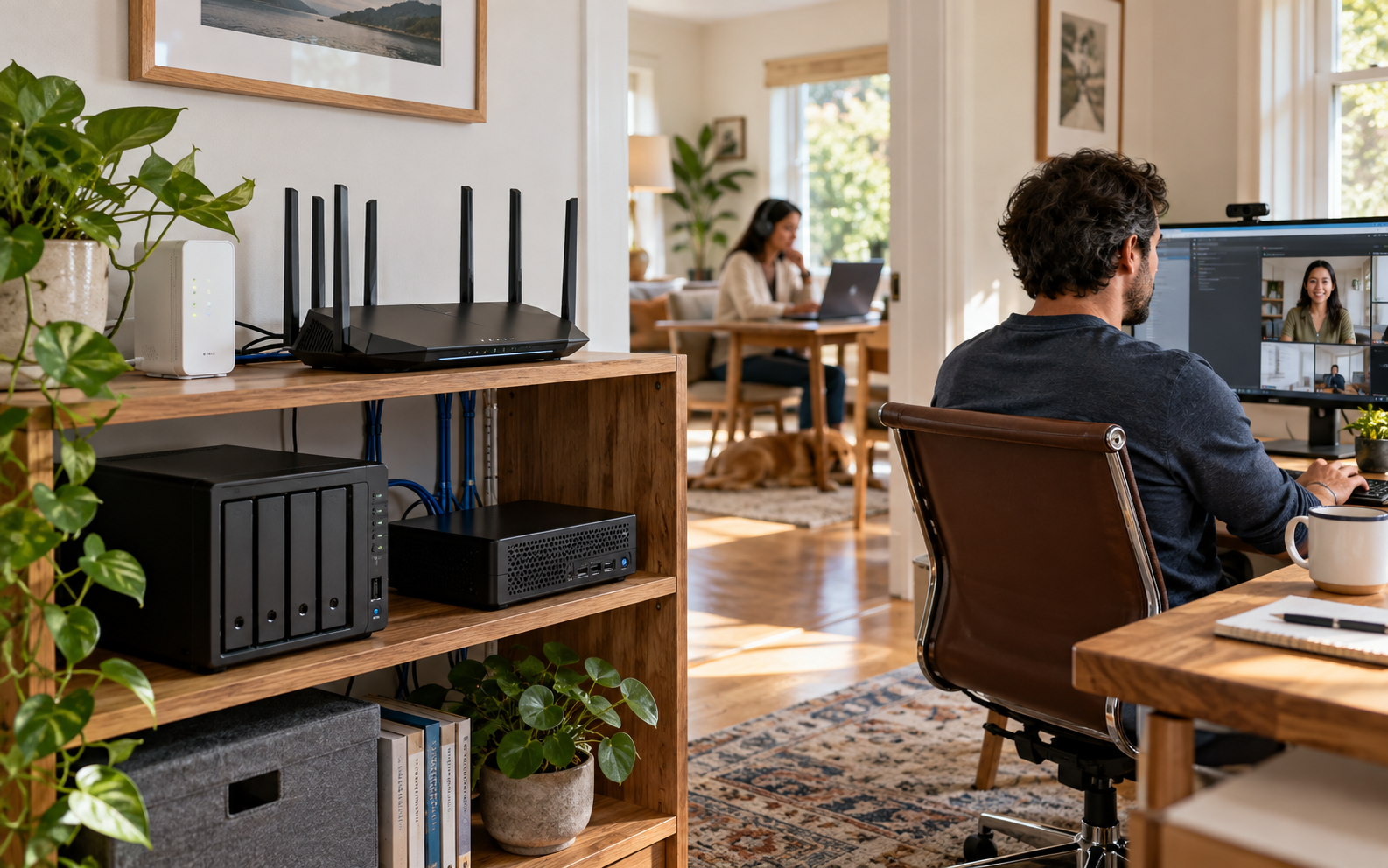
The Archer BE600 is a practical TP-Link Wi-Fi 7 recommendation for a wired-heavy home that can use its 10GbE and multiple 2.5GbE ports; homes with ordinary broadband and mostly older Wi-Fi clients should not buy it for the BE9700 label alone.
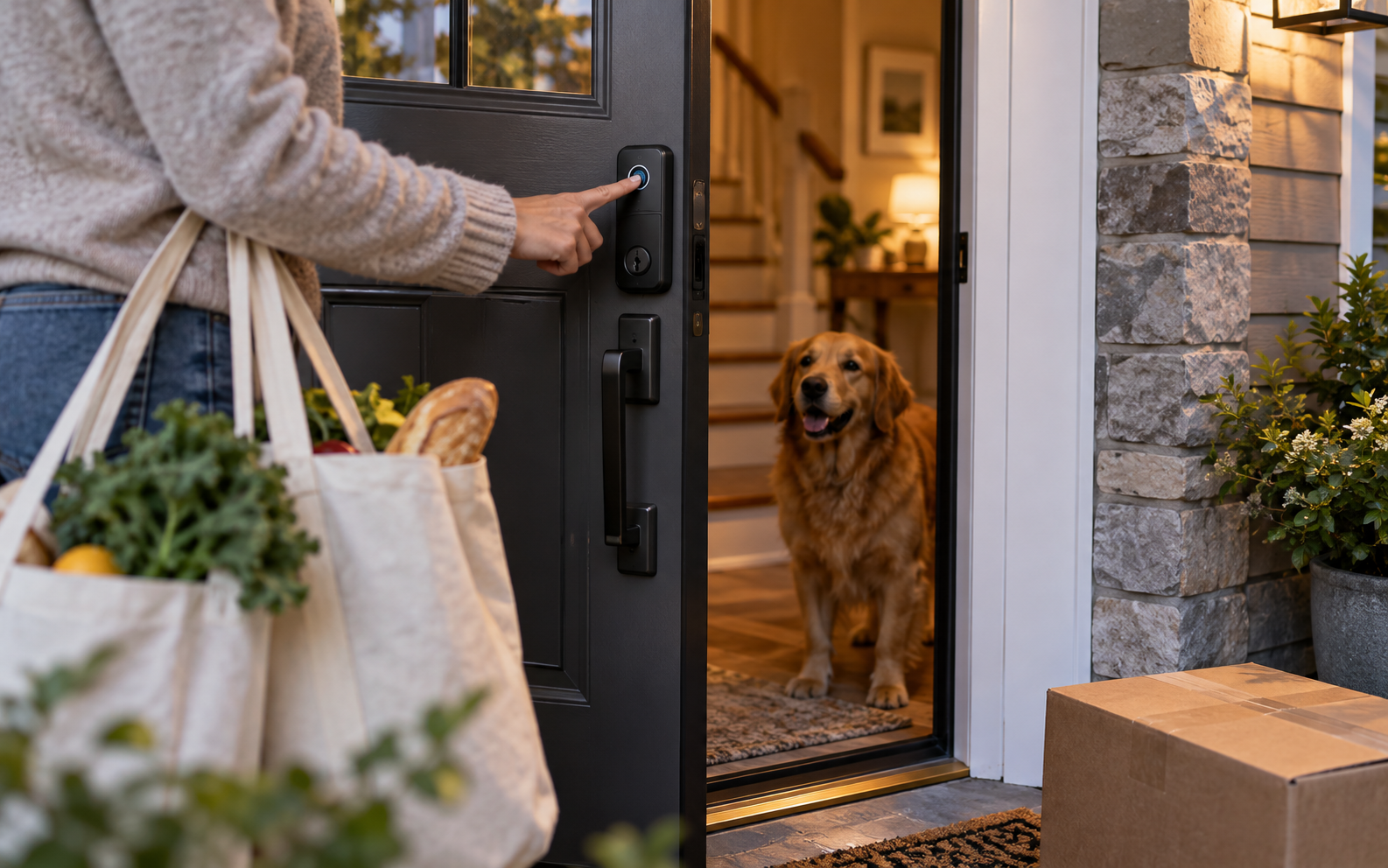
The Tapo DL105 is a useful specific-model recommendation when fingerprint entry, scheduled guest codes, Wi-Fi monitoring, and a rechargeable battery solve daily front-door friction; door compatibility and backup-entry habits matter more than app novelty.
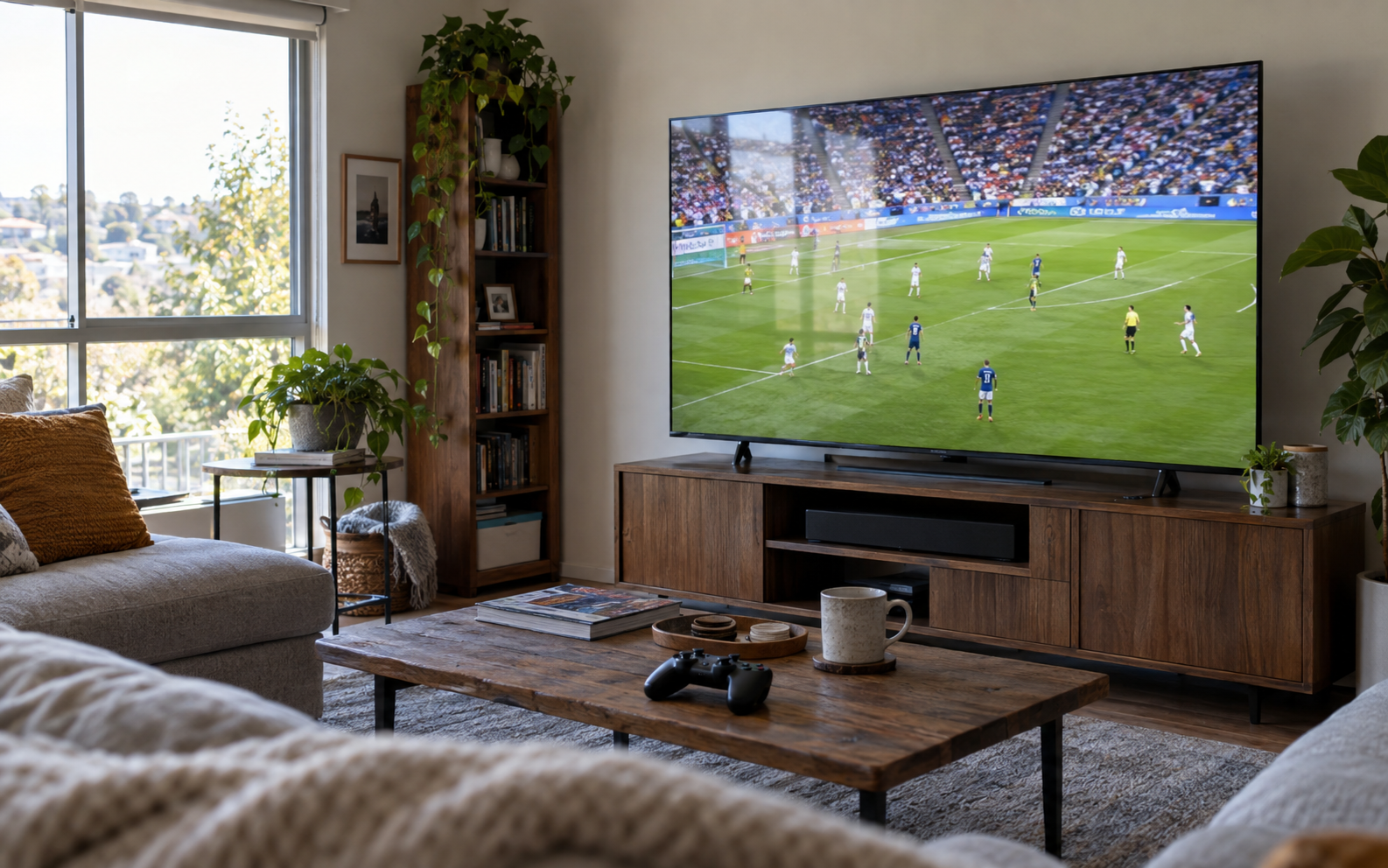
The linked 65-inch Hisense U7SG makes the most sense for a bright shared living room that also hosts serious gaming. Its published 165 Hz panel, anti-reflection treatment, MiniLED backlight, and 2.1.2-channel audio address real daytime and game-night problems, but the value depends on the actual sale price, seating distance, and whether your sources can use the higher refresh features.
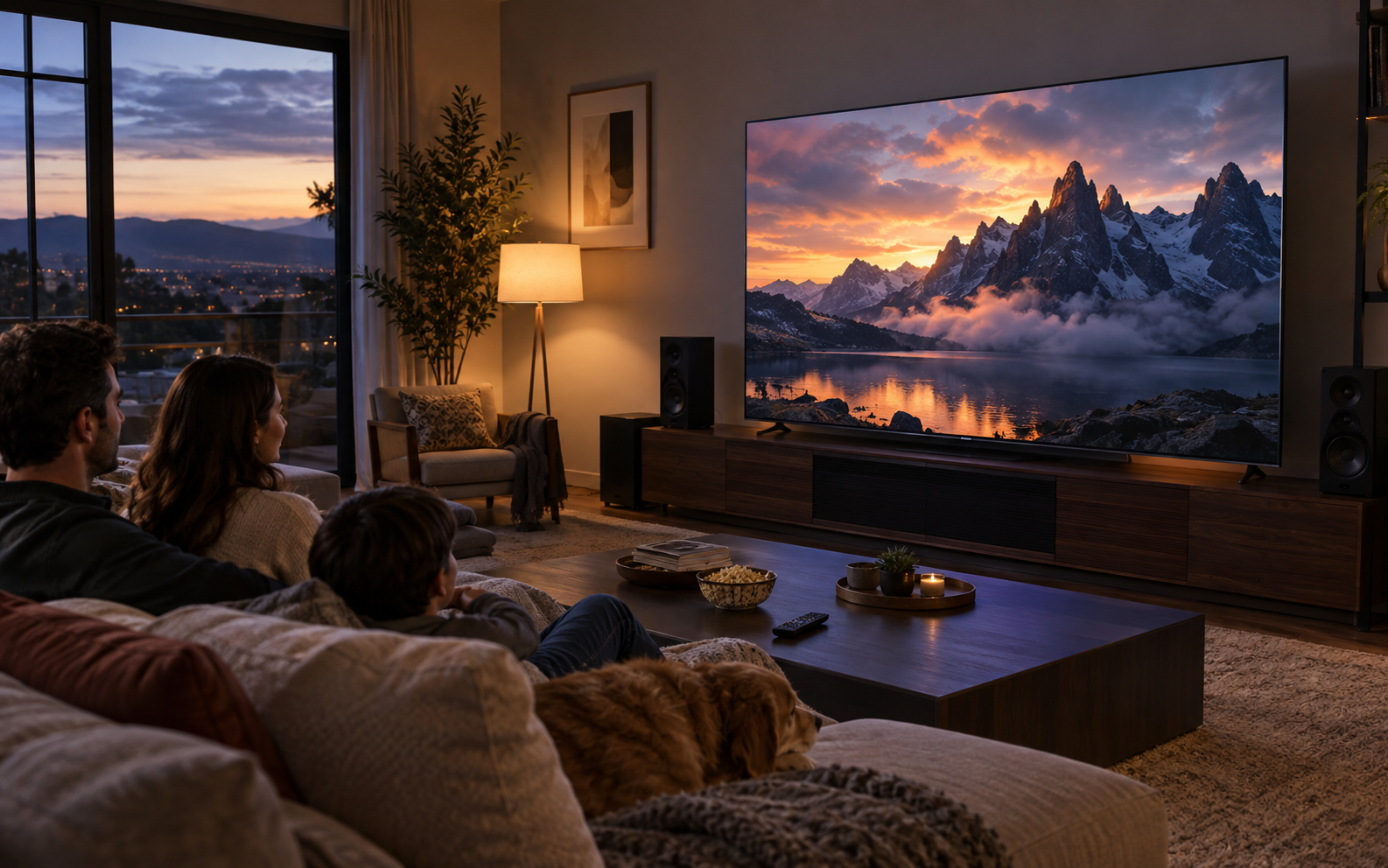
The linked 75-inch Hisense U8QG is a premium bright-room MiniLED choice for a large seating area, not an automatic upgrade for every buyer. Its published up-to-5,000-nit brightness, 165 Hz panel, anti-reflection treatment, and 4.1.2-channel audio are most valuable when daytime sports, HDR highlights, and room-filling scale are recurring needs.
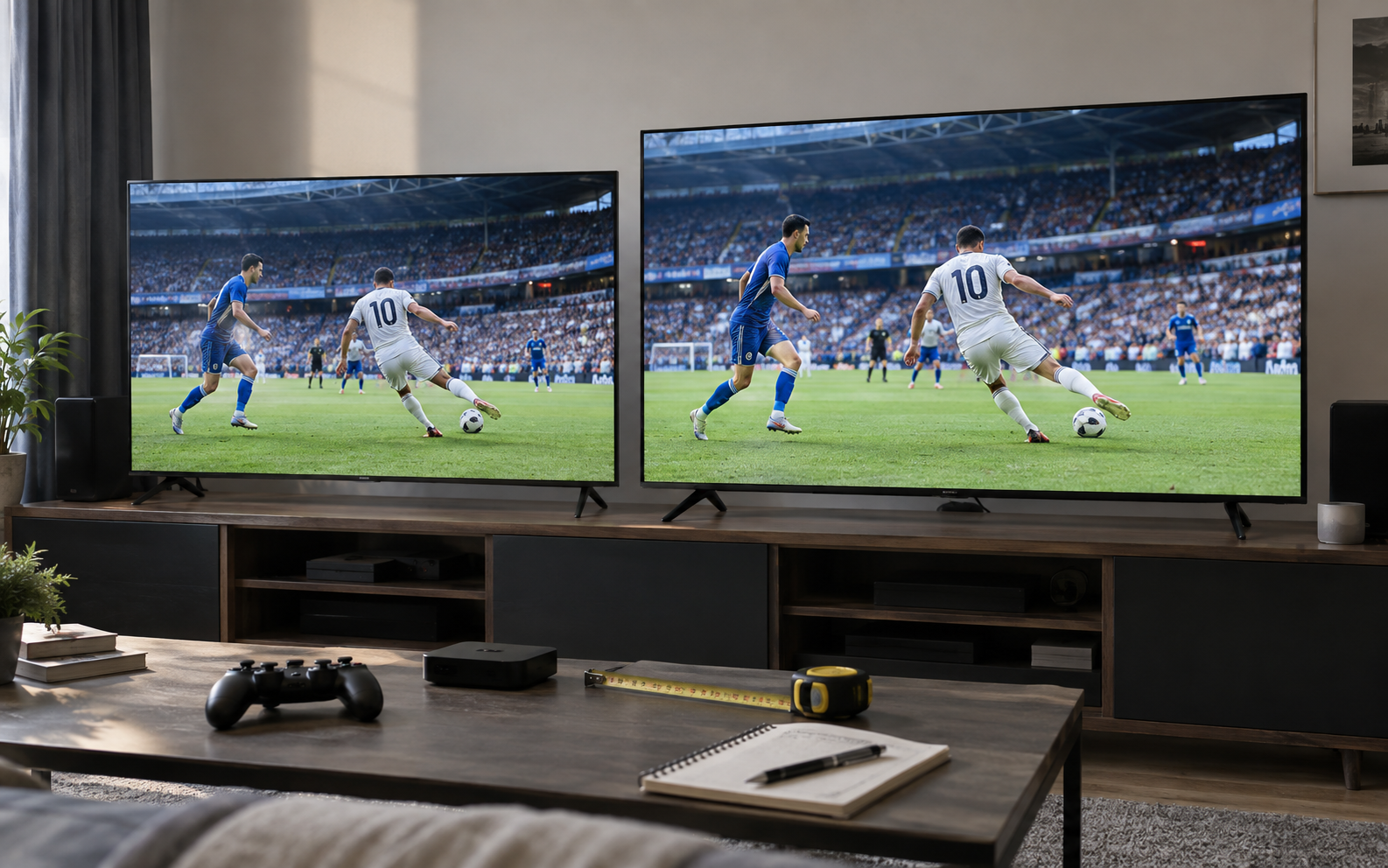
Choose the U7SG for the stronger value path to 165 Hz gaming and bright-room MiniLED; choose the U8QG when a genuinely difficult room, larger seating area, and better built-in audio make its higher brightness ceiling useful. The linked models are also different sizes and generations—65U7SG from the 2026 U7 line versus 75U8QG from the 2025 U8 line—so this is a room-and-price decision, not a clean tier-only contest.
Based on published specifications, the Waterdrop X16 is a high-throughput under-sink RO system for genuinely busy kitchens; smaller households should compare filter cost, cabinet fit, and actual flow needs before paying for maximum capacity.
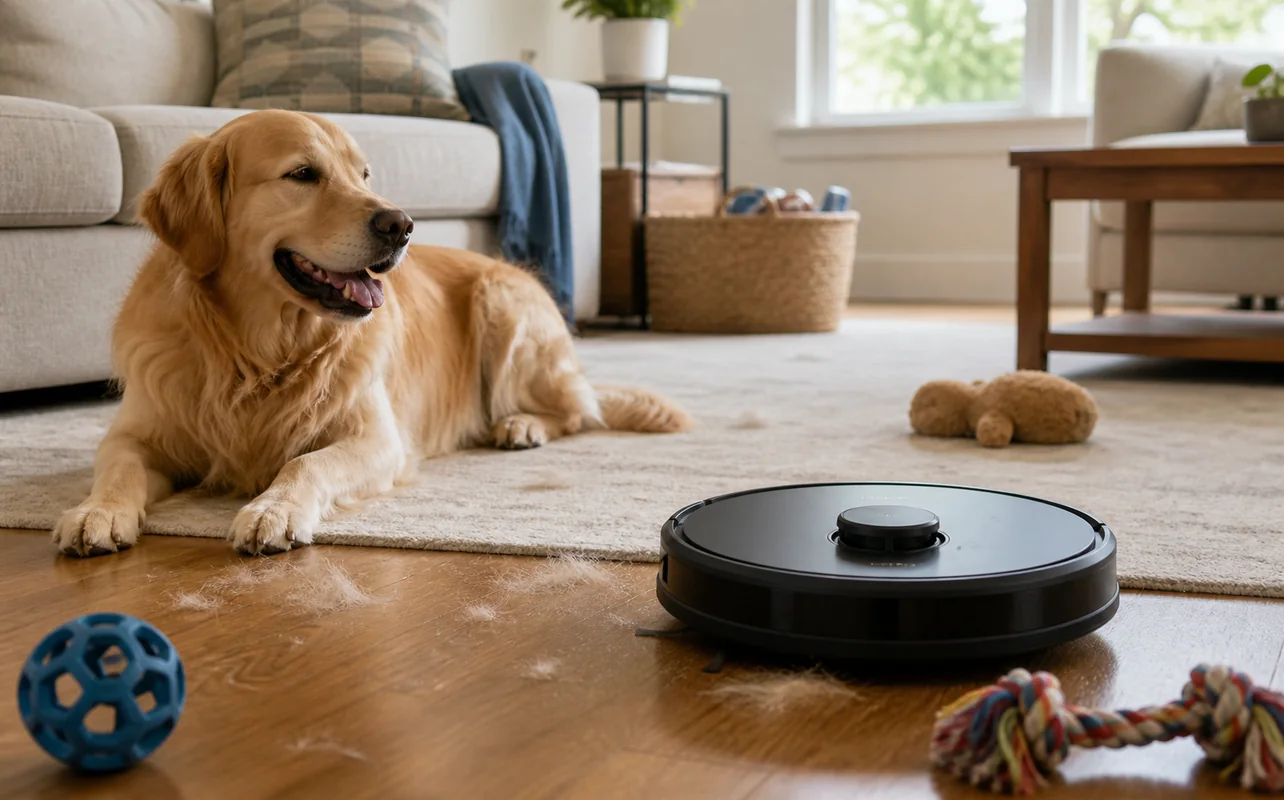
The Qrevo CurvX makes the strongest case in homes where its 3.14-inch body, anti-tangle brushes, liftable chassis, and full-service dock solve measured obstacles—not simply because 22,000 Pa looks impressive.
The Waterdrop A2 is compelling for renters and shared kitchens that want RO filtration plus hot and chilled dispensing, provided its 15.9-by-8.2-inch footprint, 15.7-inch height, tank refills, and cleaning routine fit the counter.
Choose the Qrevo Curv 2 Flow for its continuously refreshed roller-mop workflow and hard-floor focus, not merely its 20,000 Pa suction figure; carpet-heavy homes should scrutinize the 4.69-inch robot height and mop-lift behavior.
The G3P800 is a sensible middle ground for buyers who want an 800 GPD tankless RO system, UV stage, smart-faucet feedback, and a published 3:1 pure-to-drain ratio without stepping up to the largest X-series models.
The Saros 10R is best understood as a navigation-and-clearance purchase: its 3.14-inch body, solid-state 3D sensing, liftable chassis, detachable mops, and Dock 4.0 matter more than any single cleaning-power claim.
The Waterdrop X12 suits high-demand kitchens that want 1,200 GPD published capacity and remineralization, but buyers should verify the exact certified reductions, mineral taste preference, cabinet layout, and three-filter replacement plan.
The Saros Z70's retractable five-axis arm is interesting only when supported objects regularly block important cleaning paths; otherwise, the slimmer Saros platform, 22,000 Pa claim, dock, and anti-tangle system are doing most of the practical work.
The Waterdrop K19-H is a practical installation-free option for hot drinks and filtered water when a household accepts manual tank refills, a 15.51-by-9.2-inch footprint, 17.56-inch height, and no active chilling.
Choose the Qrevo Curv when anti-tangle cleaning, liftable-threshold handling, and a potentially lower street price lead; choose the Saros 10R when 3.14-inch clearance, StarSight navigation, and automatic mop detachment solve measured problems.