New model-specific reviews for home backup, cleaning, audio, reading, baby care, and pet tech. Check compatibility first, then compare the current retailer price.
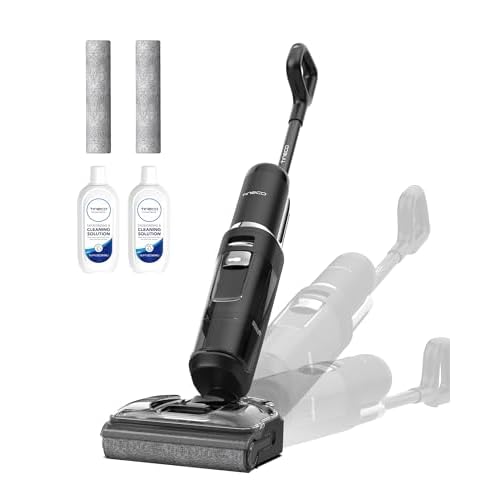
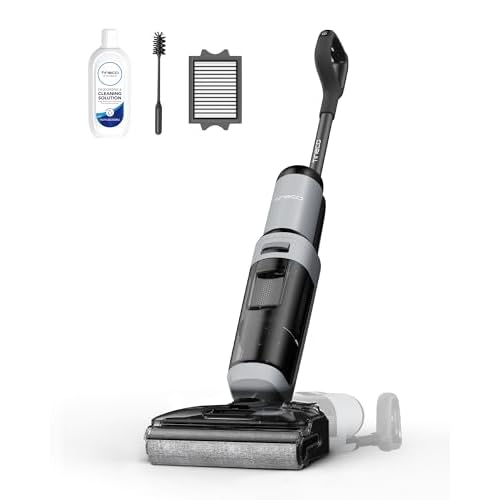
The S7 Stretch Ultra combines a 180-degree lay-flat body, 50-minute published runtime, dual-edge cleaning, and 185°F FlashDry. It is a strong hard-floor tool when the household will empty both tanks and run the cleaning cycle after every use.
The Stretch S6 earns its name with 180-degree lay-flat reach, dual-edge cleaning, and 158°F FlashDry. The roughly 40-minute published runtime is enough for many defined zones, but tank cleaning remains part of every session.
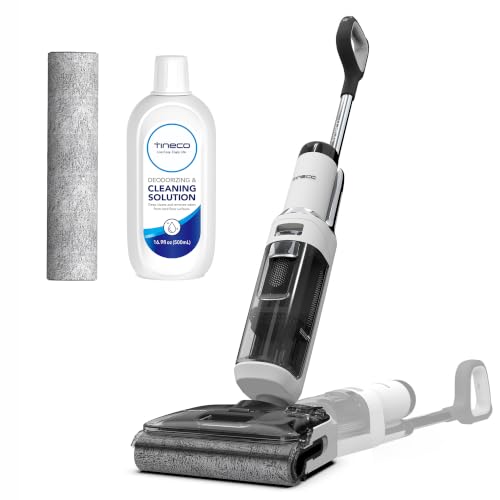
The i5 Stretch brings 180-degree lay-flat reach, dual-edge cleaning, anti-tangle design, and a published 20kPa figure to a lower tier. Its up-to-30-minute runtime makes it a zone cleaner rather than an all-day machine.
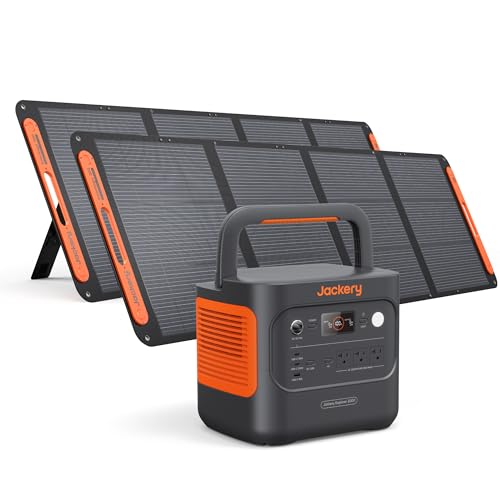
The 2,042Wh Explorer 2000 v2 balances useful backup capacity with a roughly 39.5-pound body, while the linked bundle adds two 200W panels. Its 2,200W continuous output and sub-20ms UPS mode suit selective backup, not an entire high-load house.
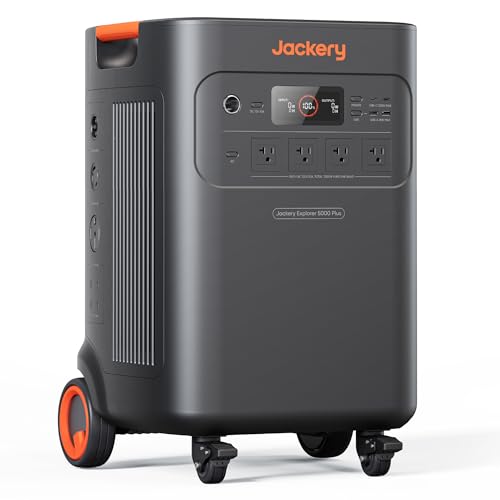
The Explorer 5000 Plus moves into home-backup territory with 5,040Wh, 7,200W output, 14,400W surge, and 120/240V support. Those numbers are compelling only after transfer hardware, charging strategy, load priorities, and local electrical work are planned.
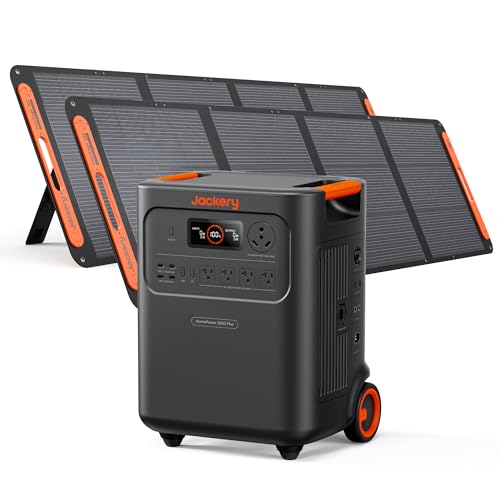
The HomePower 3600 Plus combines 3,584Wh, 3,600W output, 7,200W surge, and an LFP battery with two 200W panels in the linked bundle. One unit is a strong selective-backup tool; 240V requires a two-unit system and should be budgeted accordingly.
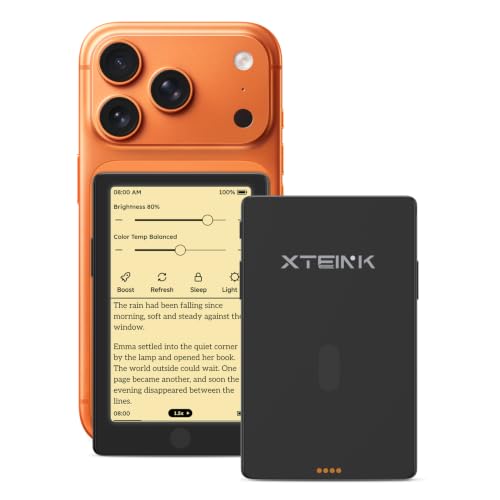
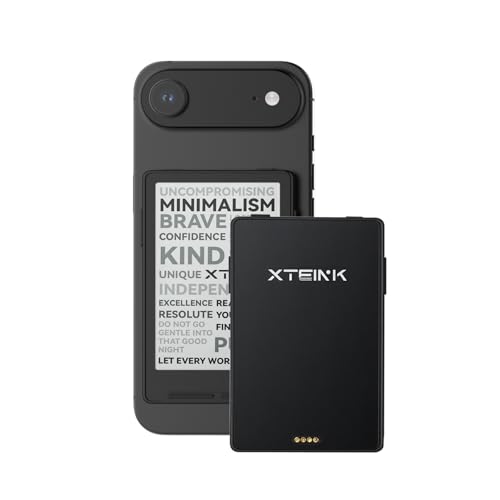
The X4 Pro improves the pocket-reader idea with a 4.3-inch touch display and front light, but it remains a file-based EPUB/TXT device rather than a Kindle replacement. Buy it for deliberate sideloaded reading, not a mature bookstore ecosystem.
At 58g with a 3.7-inch 259ppi display, the X3 is appealing as a daylight pocket reader. The lack of front light and touch, EPUB/TXT-only support, and sideloading workflow are not footnotes—they define who will enjoy it.
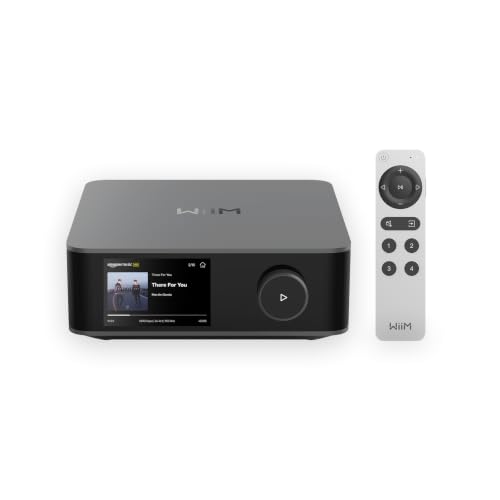
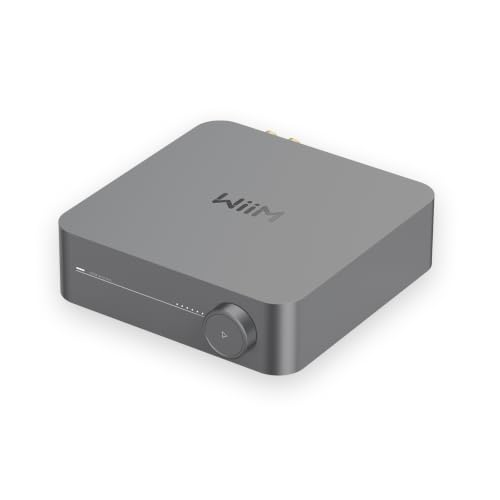
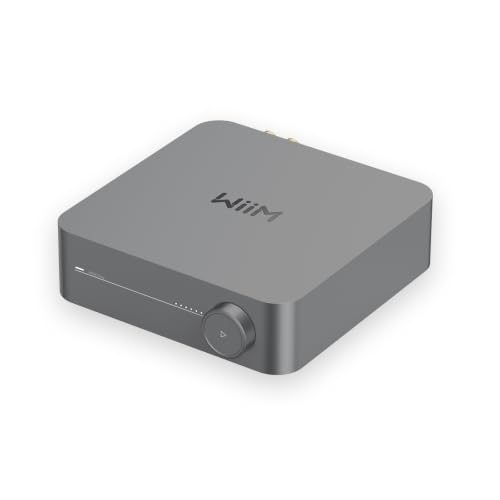
The Amp Ultra is the strongest WiiM one-box amplifier here: 100W per channel into 8 ohms, HDMI ARC, RoomFit, and a 3.5-inch touchscreen. It makes sense when the extra output and display solve real placement or speaker needs, not just because it is the newest model.
The Amp Pro keeps the useful 60W-per-channel into 8-ohm format while adding Wi-Fi 6, Bluetooth 5.3, PFFB, and updated conversion. Its key buying question is simple: it does not support AirPlay 2, so Apple households should map their actual playback path first.
The original WiiM Amp remains attractive because it combines 60W per channel into 8 ohms, HDMI ARC, a subwoofer output, and AirPlay 2. Choose it over the Pro when AirPlay matters; choose the Pro or Ultra when their specific hardware gains solve a known need.
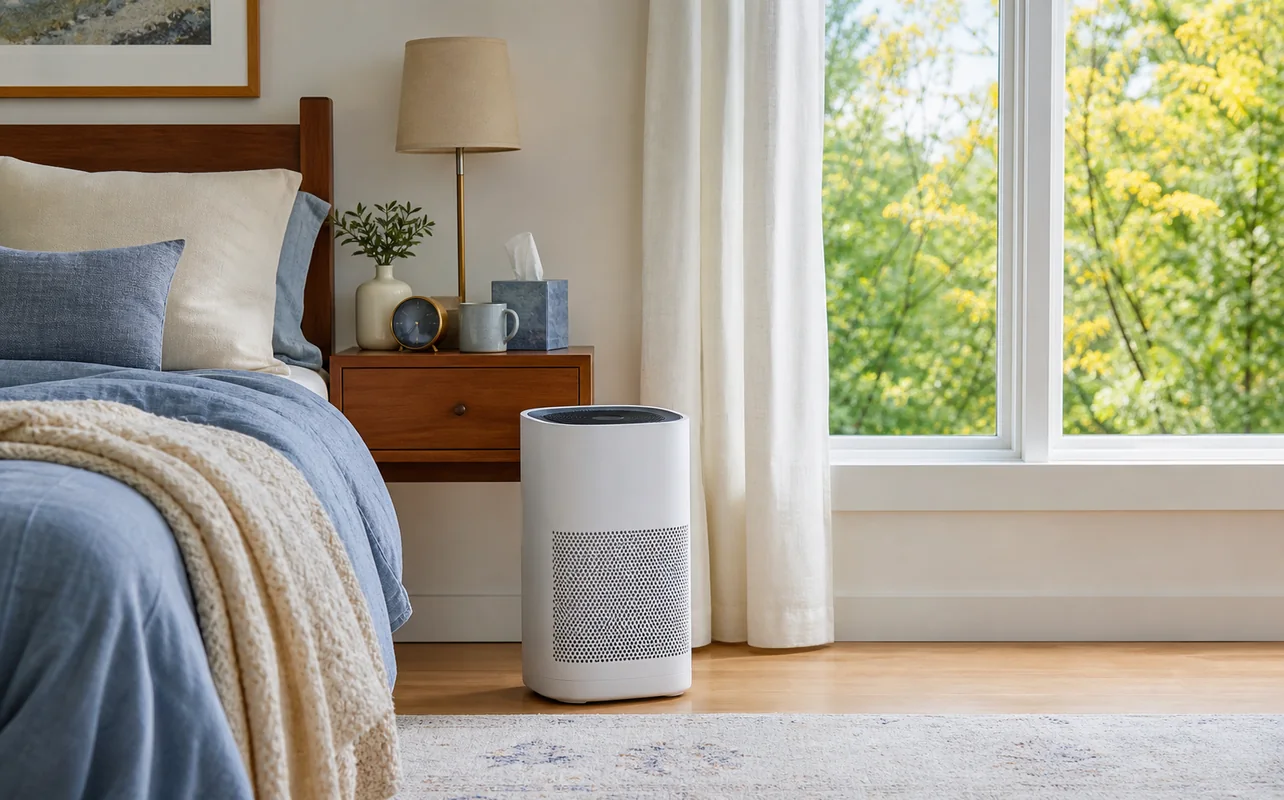
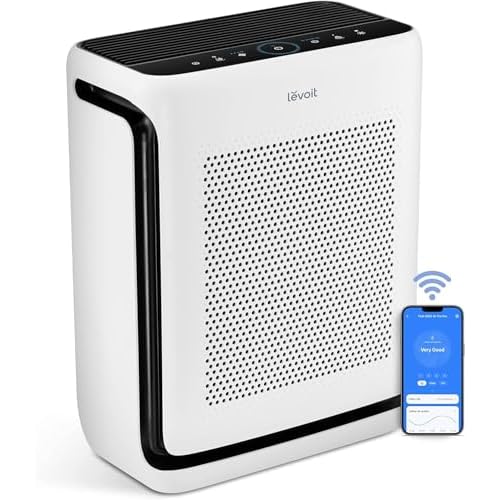
The Vital 200S-P publishes 250 CFM and a 388-square-foot room size at 4.8 air changes per hour. Its U-shaped inlet, app, and auto mode are useful, but placement and replacement-filter cost matter more than the larger one-air-change marketing number.
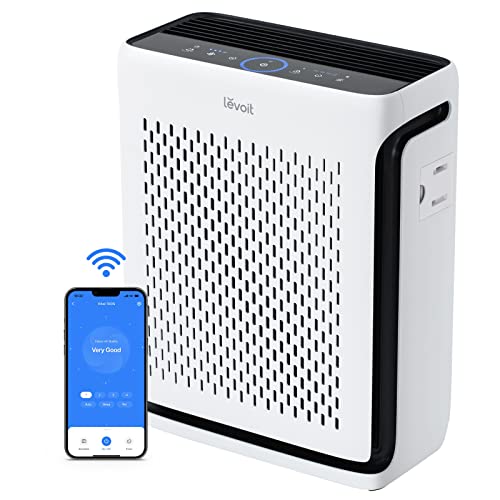
The Vital 100S-P is the smaller smart purifier in Levoit's pet-oriented Vital line. It is a better fit than the 200S-P when the room is genuinely smaller; the decision should be based on airflow, fan speed, and filter cost rather than the biggest advertised coverage figure.
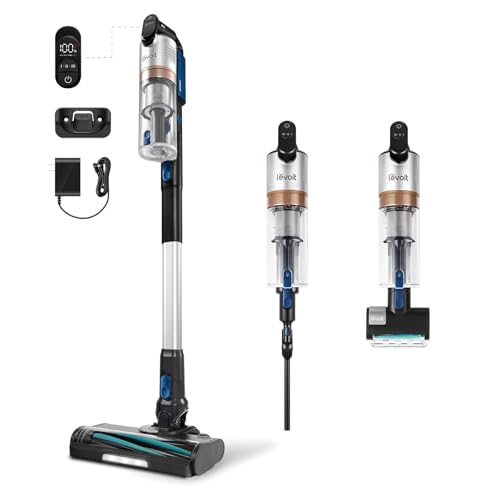
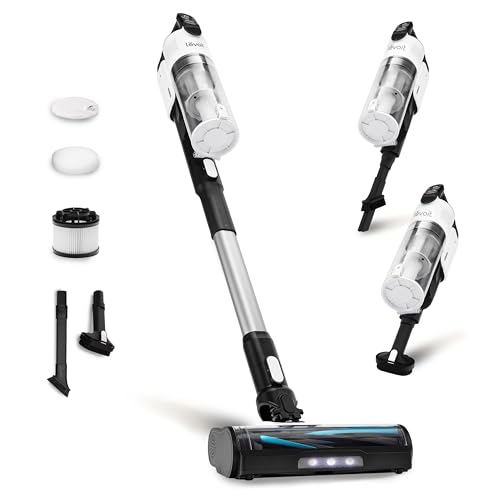
The LVAC-300 adds a published 60-minute maximum with an attachment in Eco mode, TripleStrike anti-tangle cleaning, a removable battery, self-standing storage, and a mini motorized brush. Runtime claims should be translated into the power mode and tool actually used.
The LVAC-200 is a straightforward cordless vacuum with anti-tangle design and five-stage filtration. Levoit's up-to-50-minute figure applies with an attachment in Eco mode, so buyers should expect less with the powered floor head or stronger suction.