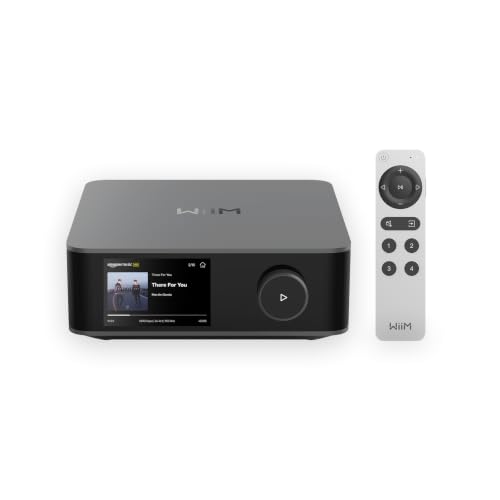
The Amp Ultra is the strongest WiiM one-box amplifier here: 100W per channel into 8 ohms, HDMI ARC, RoomFit, and a 3.5-inch touchscreen. It makes sense when the extra output and display solve real placement or speaker needs, not just because it is the newest model.
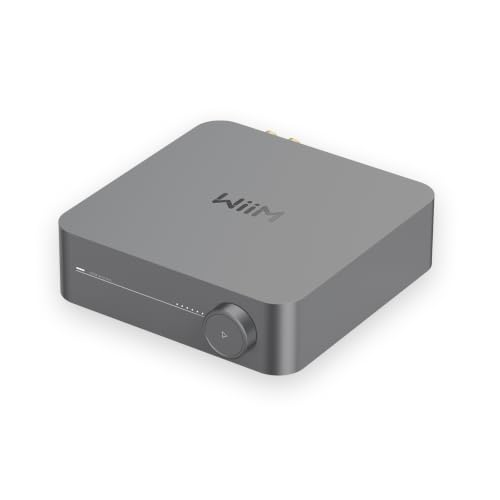
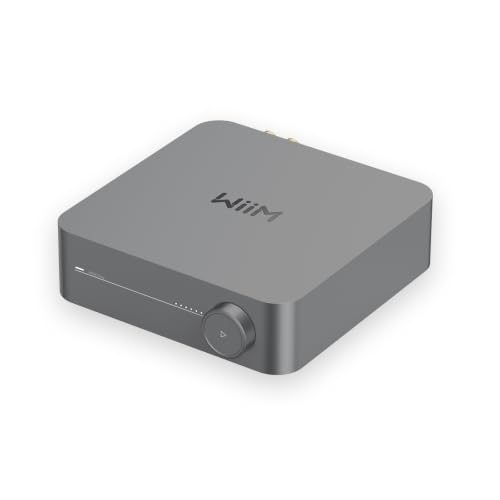
The Amp Pro keeps the useful 60W-per-channel into 8-ohm format while adding Wi-Fi 6, Bluetooth 5.3, PFFB, and updated conversion. Its key buying question is simple: it does not support AirPlay 2, so Apple households should map their actual playback path first.
The original WiiM Amp remains attractive because it combines 60W per channel into 8 ohms, HDMI ARC, a subwoofer output, and AirPlay 2. Choose it over the Pro when AirPlay matters; choose the Pro or Ultra when their specific hardware gains solve a known need.
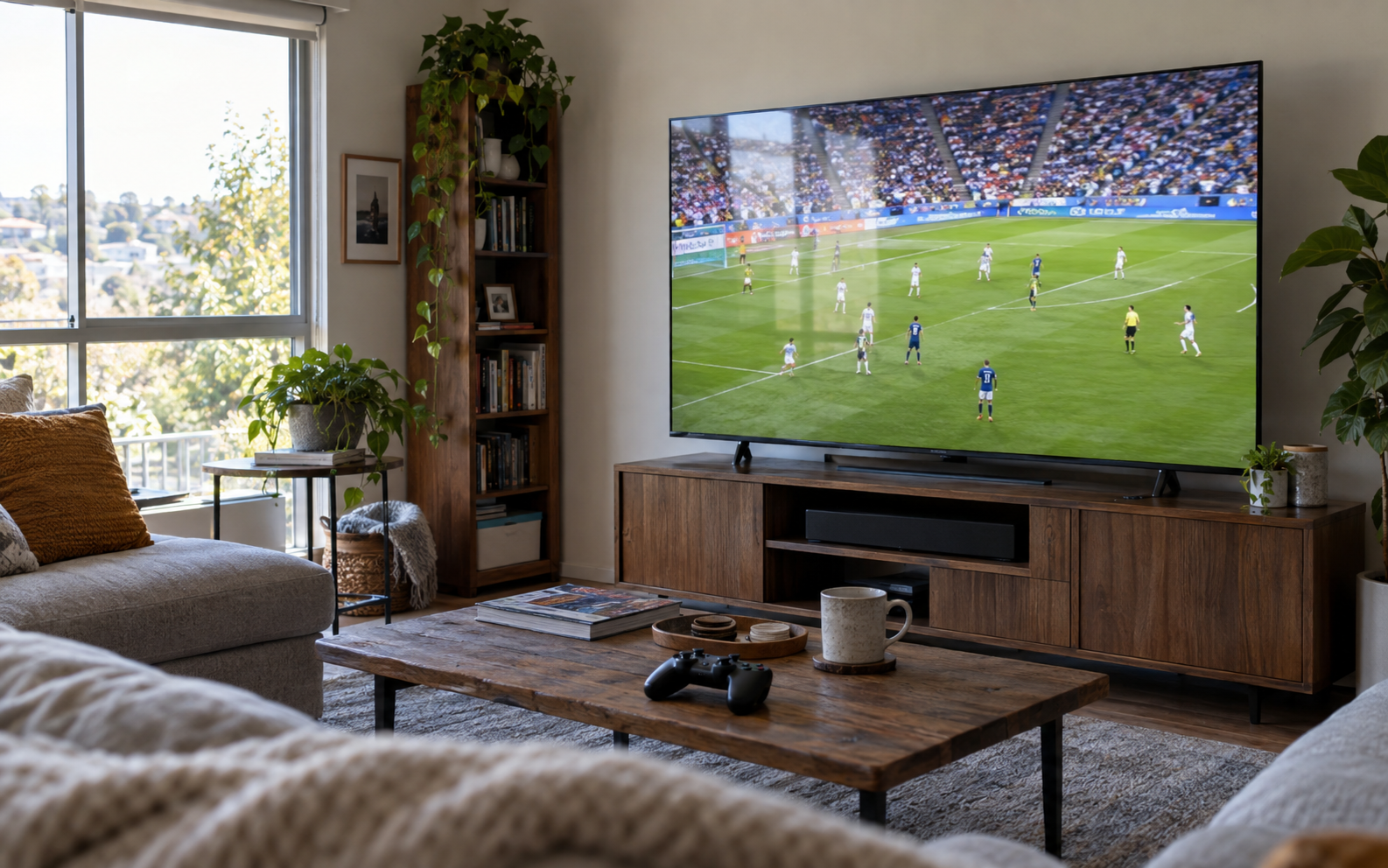
The linked 65-inch Hisense U7SG makes the most sense for a bright shared living room that also hosts serious gaming. Its published 165 Hz panel, anti-reflection treatment, MiniLED backlight, and 2.1.2-channel audio address real daytime and game-night problems, but the value depends on the actual sale price, seating distance, and whether your sources can use the higher refresh features.
The linked 75-inch Hisense U8QG is a premium bright-room MiniLED choice for a large seating area, not an automatic upgrade for every buyer. Its published up-to-5,000-nit brightness, 165 Hz panel, anti-reflection treatment, and 4.1.2-channel audio are most valuable when daytime sports, HDR highlights, and room-filling scale are recurring needs.
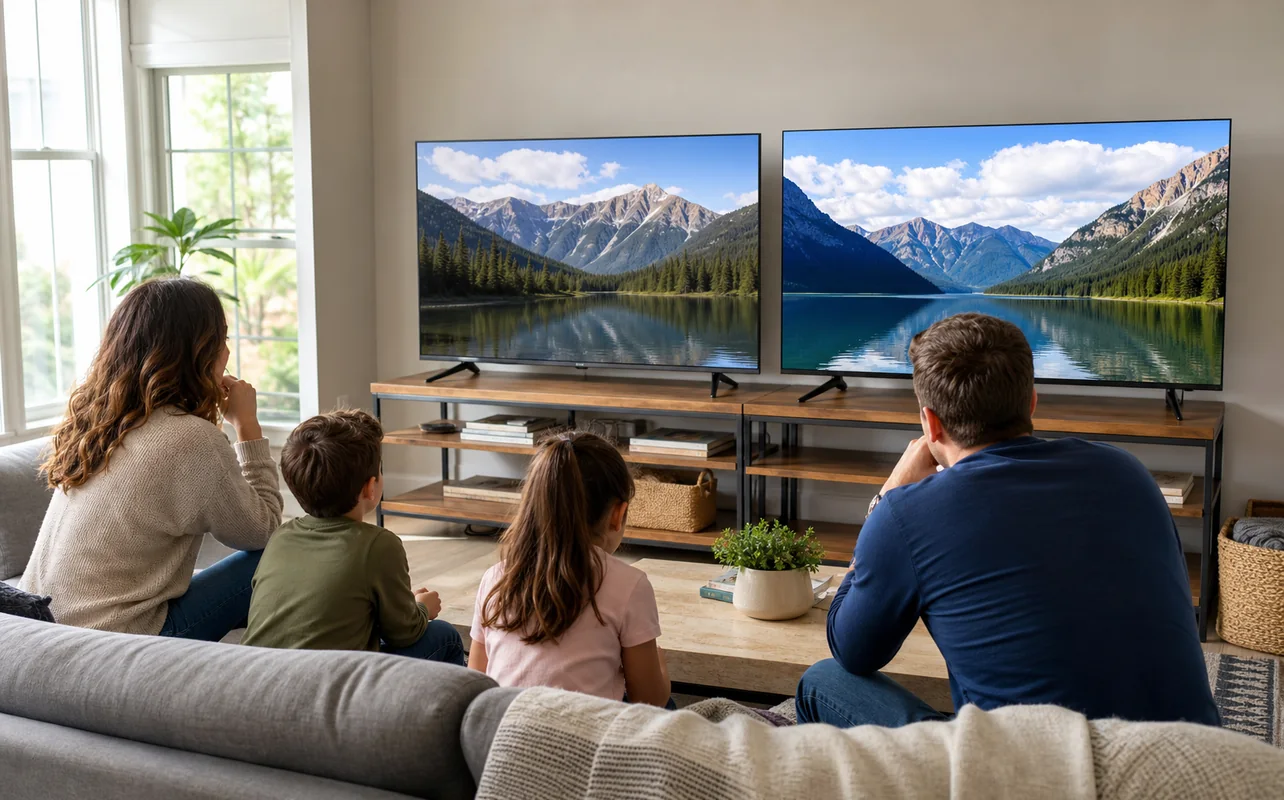
Choose the U7SG for the stronger value path to 165 Hz gaming and bright-room MiniLED; choose the U8QG when a genuinely difficult room, larger seating area, and better built-in audio make its higher brightness ceiling useful. The linked models are also different sizes and generations—65U7SG from the 2026 U7 line versus 75U8QG from the 2025 U8 line—so this is a room-and-price decision, not a clean tier-only contest.