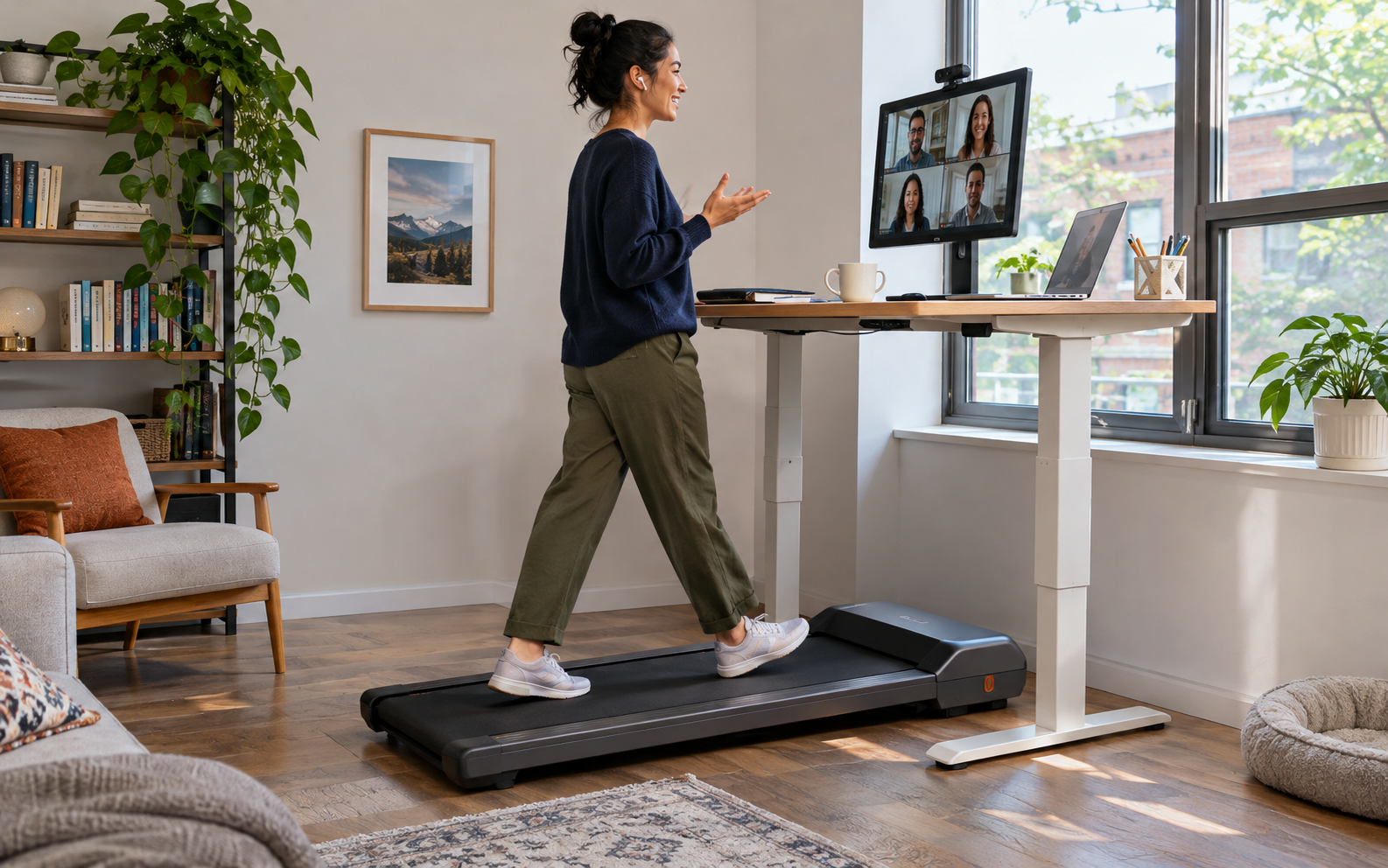
The W50 combines a 12% automatic incline, 400-pound published capacity, and 0.6–4 mph range in a compact walking-first format. It is more credible for steady walking than as a substitute for a running treadmill.
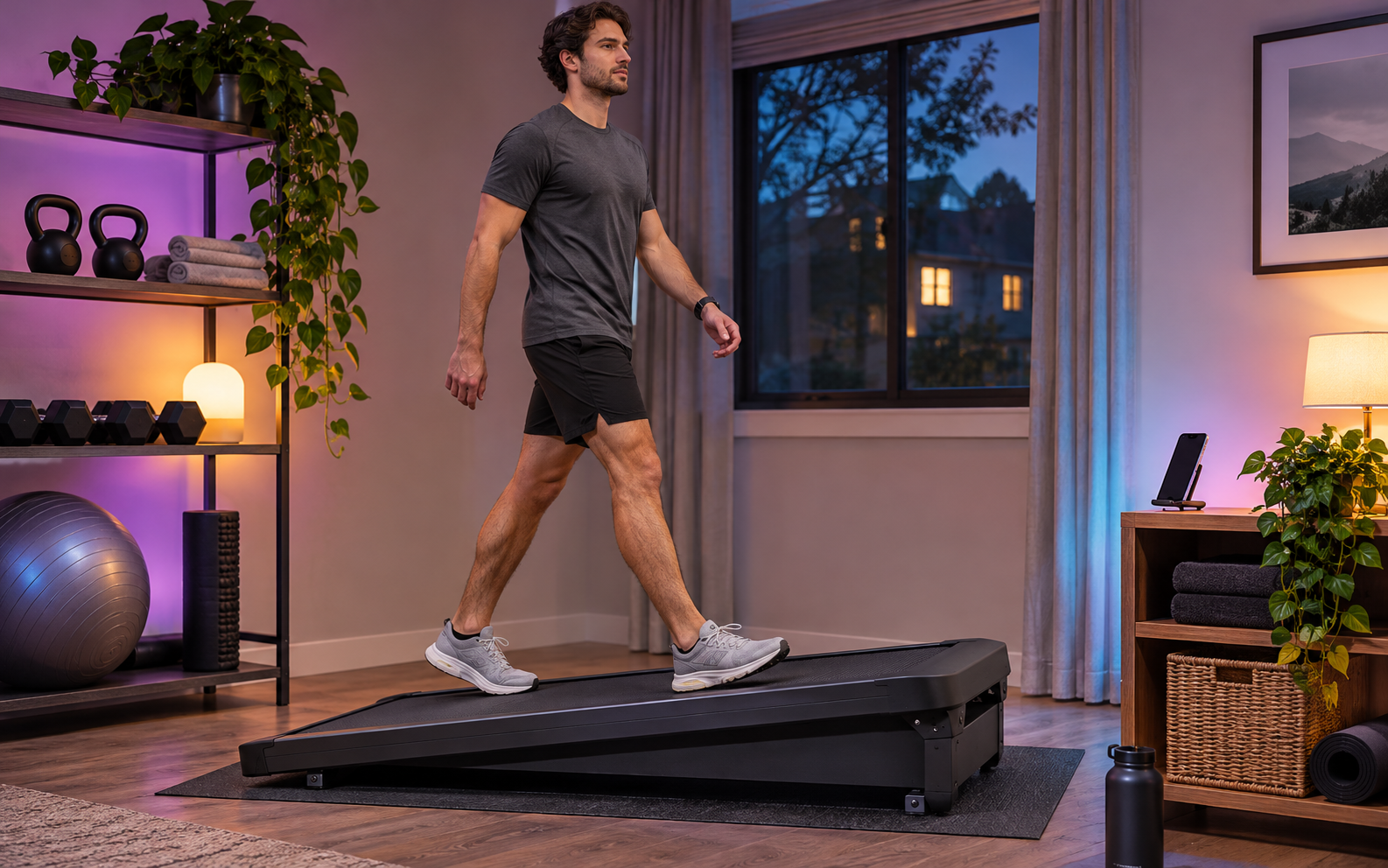
The W60 targets heavier-duty walking with a 12% incline, 400-pound published capacity, app features, speaker, and lighting. The extras are secondary; deck feel, stability, and storage should decide the purchase.
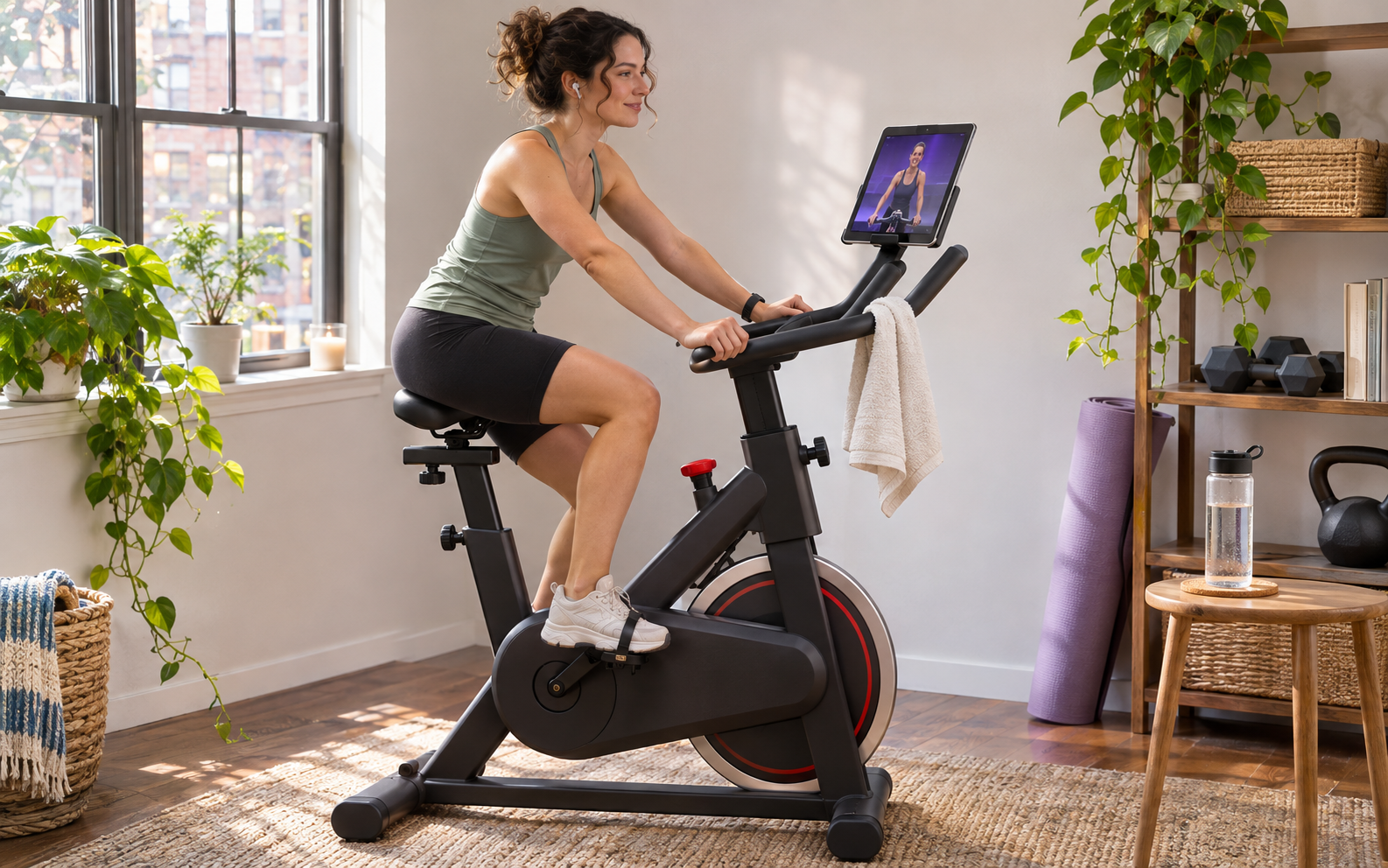
This MERACH bike is built around adjustable indoor cardio, a 300-pound published limit, and app/tablet use. Its value depends on saddle, handlebar, and resistance fit for the actual rider—not the screen holder.
This listing is a 60-day DS-01 refill, so the decision is mainly about tolerance, recurring cost, storage, and whether the exact regimen fits your routine. A probiotic supplement should not be treated as a guaranteed treatment outcome.
Seed describes this 14-day format as using the same DS-01 formula and dose in different packaging. It can simplify a short routine, but the name should not be read as a promised medical reset or universal two-week result.
This oregano-and-black-seed-oil supplement is a convenience product, not proof of a disease treatment. Dose, standardization, interactions, tolerance, and the complete label deserve more attention than broad wellness language.
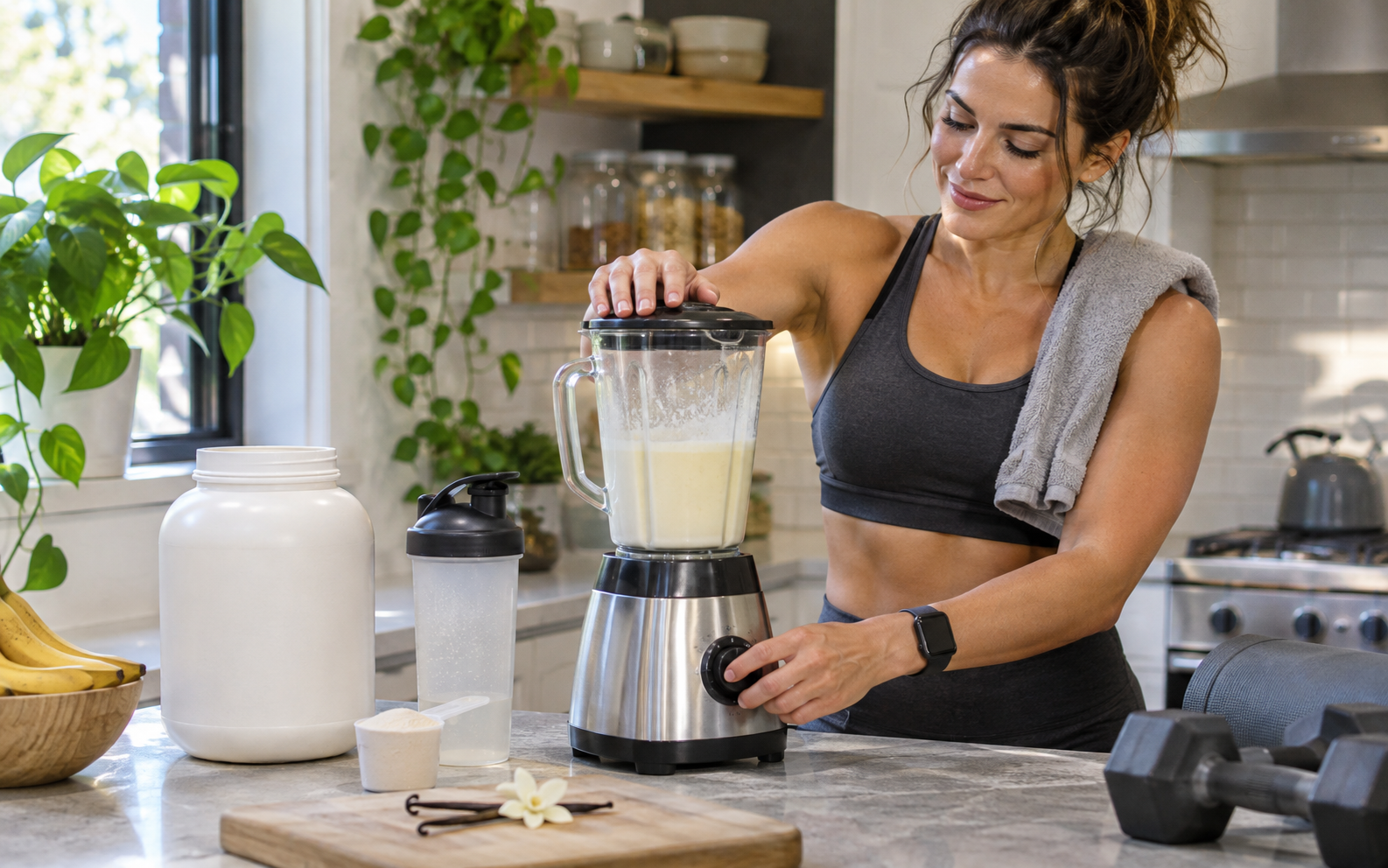
Whey+ is a grass-fed whey isolate in a 30-serving French Vanilla listing. It is useful for closing a protein gap when the flavor, sweeteners, dairy tolerance, and price per serving fit—not because isolate is mandatory for progress.
The 28-count sugar-free format is convenient, but a greens gummy is still a supplement with a defined serving, ingredient amounts, sweeteners, and possible interactions. It does not replace vegetables or a varied diet.